





















Exotic woods
Exotic hardwood flooring blends perfectly in modern and classic interior designs. Exotic wood species have a unique color and texture, making the floor one-of-a-kind.
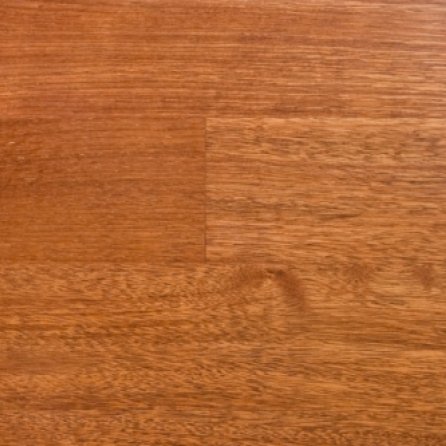
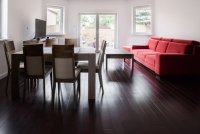
Merbau wood is distinguished by the fact that some of its vessels are filled with yellow, shiny dust, which, under transparent paint and lacquer coatings, deceptively resembles intricately made, golden inlays in the shape of small strips. Merbau wood is enriched by nature with delicate gilding. At the same time, the dark surface color masks any dirt and scratches. A floor made of Merbau wood retains its full aesthetic qualities for a longer time, is exceptionally dimensionally stable and hard, making it very resistant to wear and dents. The color and mechanical properties of the material predispose it particularly for the production of exclusive floors and parquets in prestigious rooms, public buildings, and private homes. The deep brown color of the wood lightened with golden specks emphasizes the dignity of the place and blends perfectly with modern furnishings. It is the most popular and frequently purchased exotic wood.

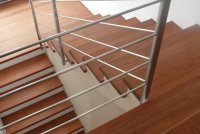
Jatoba wood, sometimes referred to as diamond cherry, originates from Central and South America. Compared to domestic cherry wood, it is indeed "diamond-hard." This material is highly durable, with significant natural resistance to adverse weather conditions. Due to its natural characteristics, Jatoba is suitable for use in residential, industrial, and outdoor spaces.
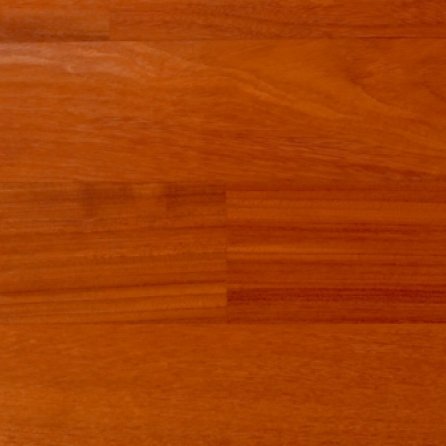
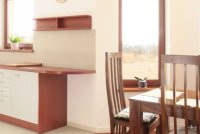
Doussie is a wood with a noble honey color. It is very hard and stable material. Due to its mechanical properties, it is perfect for use as a raw material for flooring production. Doussie is characterized by very high natural resistance, and low values of tangential and radial shrinkage indicate a small tendency of the wood to warp and crack. This makes it less likely for the parquet to dry out when there are changes in humidity. The wood has a light orange color with a delicate grain, usually with straight grain patterns. It is ideal for modern spaces, bringing charm and warmth to the interior.
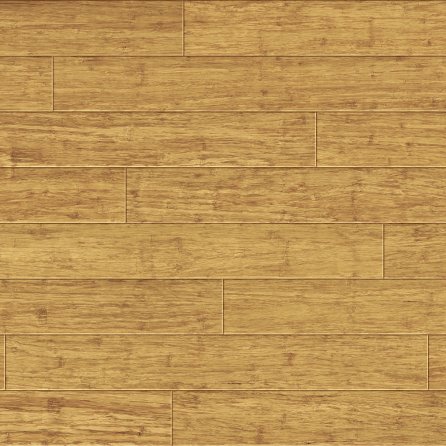
Floors made of bamboo wood are characterized by an aesthetic and unique appearance, as well as high resistance to wear. Pressed bamboo flooring is created through material processing under high pressure, resulting in a change in structure and appearance compared to bamboo in horizontal or vertical arrangement. The pressing process significantly improves the technical properties of the bamboo board. With increased density, it becomes hard and much more resistant to damage.
Pressed bamboo has an interesting pattern and a unique character. The ecological aspect is also important. Bamboo is the fastest-growing plant, which shortens the forest regeneration process compared to other tree species.
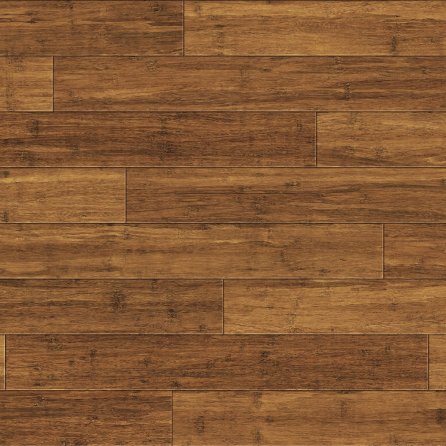
Floors made of bamboo wood are characterized by an aesthetic and unique appearance, as well as high resistance to wear. Pressed bamboo flooring is created through material processing under high pressure, resulting in a change in structure and appearance compared to bamboo in a horizontal or vertical arrangement. The pressing process significantly improves the technical properties of the bamboo board. With increased density, it becomes hard and much more resistant to damage.
Pressed bamboo has an interesting pattern and unique character. The ecological aspect is also important. Bamboo is the fastest-growing plant, which shortens the regeneration process of forests compared to other tree species.
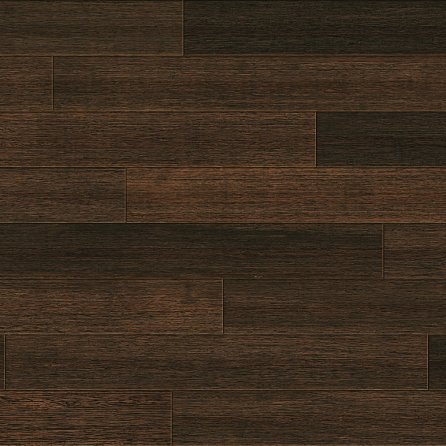
Floors made of bamboo wood are characterized by an aesthetic and unique appearance, as well as high resistance to wear. Pressed bamboo flooring is created through material processing under high pressure, resulting in a change in structure and appearance compared to bamboo in a horizontal or vertical arrangement. The pressing process significantly improves the technical properties of the bamboo board. With increased density, it becomes hard and much more resistant to damage.
Pressed bamboo has an interesting pattern and unique character. The ecological aspect is also important. Bamboo is the fastest-growing plant, which shortens forest regeneration compared to other tree species.
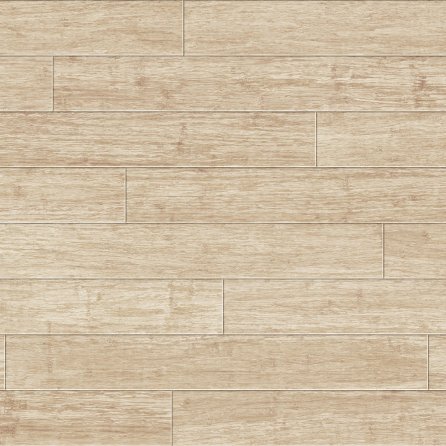
Floors made of bamboo wood are characterized by an aesthetic and unique appearance, as well as high resistance to wear. Pressed bamboo flooring is created through the processing of material under high pressure, resulting in a change in structure and appearance compared to horizontally or vertically laid bamboo. The pressing process significantly improves the technical properties of the bamboo board. With increased density, it becomes hard and much more resistant to damage.
Pressed bamboo has an interesting pattern and a unique character. The ecological aspect is also significant. Bamboo is the fastest-growing plant, which shortens the regeneration process of forests compared to other tree species.
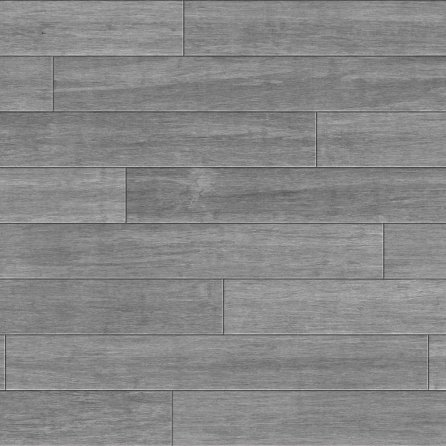
Floors made of bamboo wood are characterized by an aesthetic and unique look, as well as high resistance to wear. Pressed bamboo flooring is created through the processing of the material under high pressure, resulting in a change in structure and appearance compared to horizontal or vertical bamboo. The pressing process significantly improves the technical properties of the bamboo board. With increased density, it becomes hard and much more resistant to damage.
Pressed bamboo has an interesting pattern and unique character. The ecological aspect is also important. Bamboo is the fastest-growing plant, which shortens the forest regeneration process compared to other tree species.
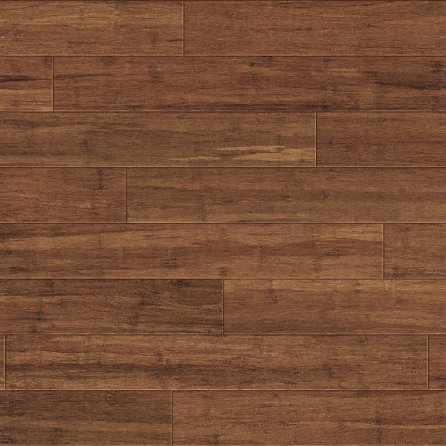
Floors made of bamboo wood are characterized by an aesthetic and unique appearance, as well as high resistance to wear. Pressed bamboo flooring is created through processing the material under high pressure, resulting in a change in structure and appearance compared to horizontal or vertical bamboo. The pressing process significantly improves the technical properties of the bamboo board. With increased density, it becomes hard and much more resistant to damage.
Pressed bamboo has an interesting pattern and unique character. The ecological aspect is also important. Bamboo is the fastest-growing plant, which shortens the regeneration process of forests compared to other tree species.
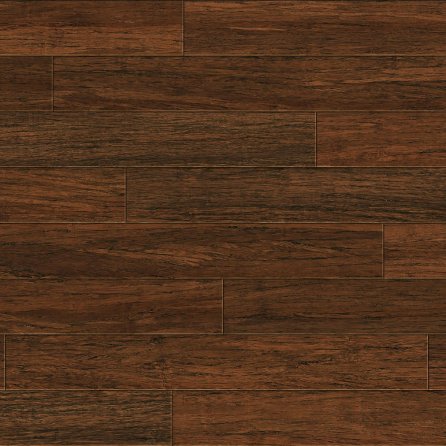
Floors made of bamboo wood are known for their aesthetic and unique appearance, as well as high resistance to wear. Pressed bamboo flooring is created by processing the material under high pressure, resulting in a change in structure and appearance compared to horizontally or vertically laid bamboo. The pressing process significantly improves the technical properties of the bamboo plank. Thanks to increased density, it becomes hard and much more resistant to damage.
Pressed bamboo has an interesting pattern and unique character. The ecological aspect is also important. Bamboo is the fastest-growing plant, which shortens the forest regeneration process compared to other tree species.
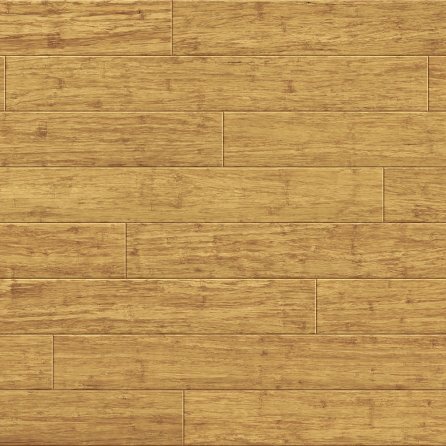
Bamboo flooring is known for its aesthetic and unique appearance, as well as its high resistance to wear. Pressed bamboo flooring is created through material processing under high pressure, resulting in a change in structure and appearance compared to horizontal or vertical bamboo. The pressing process significantly enhances the technical properties of the bamboo board. With increased density, it becomes hard and much more resistant to damage.
Pressed bamboo has an interesting pattern and unique character. The ecological aspect is also significant. Bamboo is the fastest-growing plant, which shortens the forest regeneration process compared to other tree species.
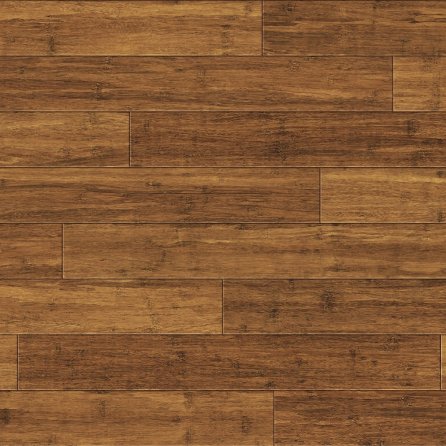
Floors made of bamboo wood are characterized by an aesthetic and unique appearance, as well as high resistance to wear. Pressed bamboo flooring is created through material processing under high pressure, resulting in a change in structure and appearance compared to bamboo in horizontal or vertical layout. The pressing process significantly improves the technical properties of the bamboo board. With increased density, it becomes hard and much more resistant to damage.
Pressed bamboo has an interesting pattern and unique character. The ecological aspect is also important. Bamboo is the fastest-growing plant, which shortens the forest regeneration process compared to other tree species.
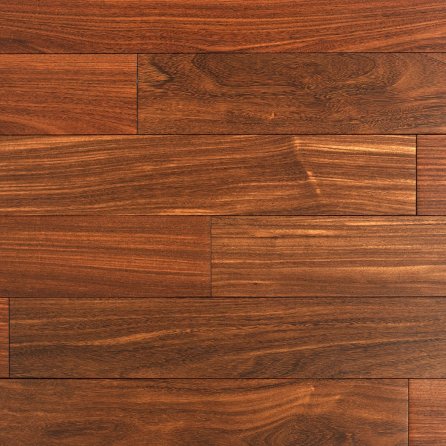
Sucupira is a hard and heavy wood, perfect for flooring. The wood is characterized by an incredibly unique chocolate-brown color. The structure of the wood features regular grains with slightly lighter streaks along the board.
Due to its warm color, Sucupira pairs well in large rooms, stylish offices, or cozy bedrooms.
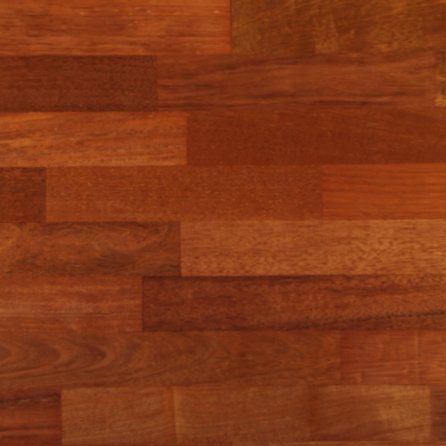
Merbau wood is characterized by the fact that some of its vessels are filled with yellow, shimmering dust, which, under transparent paint and varnish coatings, deceptively resembles intricately made, golden inlays in the form of small stripes. Merbau wood is enriched by nature with delicate gildings. At the same time, the dark surface color masks any dirt and scratches. A floor made of Merbau wood maintains its full aesthetic qualities for a longer time, is exceptionally dimensionally stable and hard, thus highly resistant to wear and indentation. The color range and mechanical properties of the material predispose it particularly well for the production of exclusive floors and parquets in representative premises, public buildings, and private homes. The deep brown color of the wood brightened with golden specks emphasizes the dignity of the place and blends perfectly with modern furnishings. The most popular and frequently purchased exotic wood.
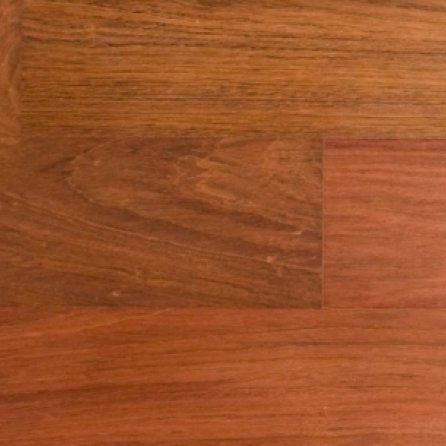
Jatoba wood, sometimes referred to as diamond cherry, originates from Central and South America. Compared to domestic cherry wood, it is indeed "diamond-hard". This material is very durable, with high natural resistance to adverse weather conditions. Due to its natural characteristics, Jatoba is suitable for use in residential, industrial, and outdoor spaces.
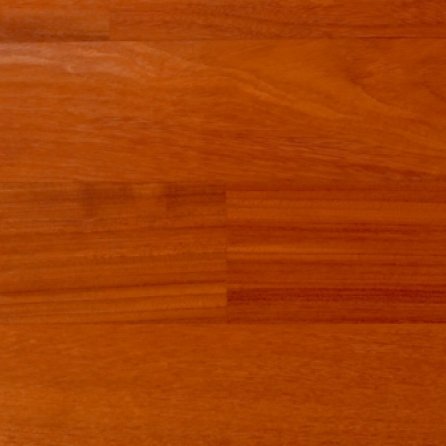
Doussie is a wood with a noble honey color. It is very hard and stable material. Due to its mechanical properties, it is excellent for use as a raw material for flooring production. Doussie is characterized by very high natural resistance, and low values of tangential and radial shrinkage indicate the wood's low tendency to warp and crack. This reduces the likelihood of the parquet floor drying out during humidity changes. The wood has a light orange color with a delicate grain pattern, typically with straight grain lines. It is perfect for modern spaces, adding charm and warmth to the living area.
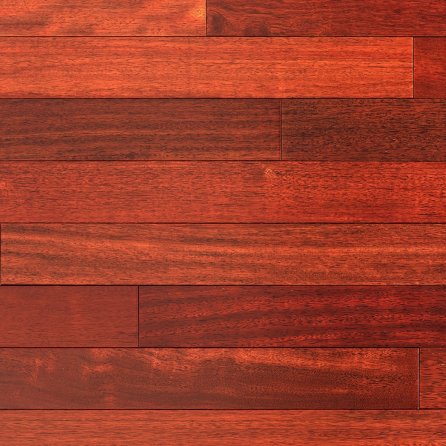
The Merbau floor, with a noble range of red and chocolate hues, provides an excellent background for any type of interior. It possesses all the key advantages of a floor: original color palette, natural hardness, high resistance to wear and scratches, and high dimensional stability.
Additional attractiveness of Merbau wood is emphasized by delicate, sporadically occurring golden threads. Due to its mechanical and physical properties, Merbau flooring is most commonly recommended by interior designers for use in high-traffic areas.