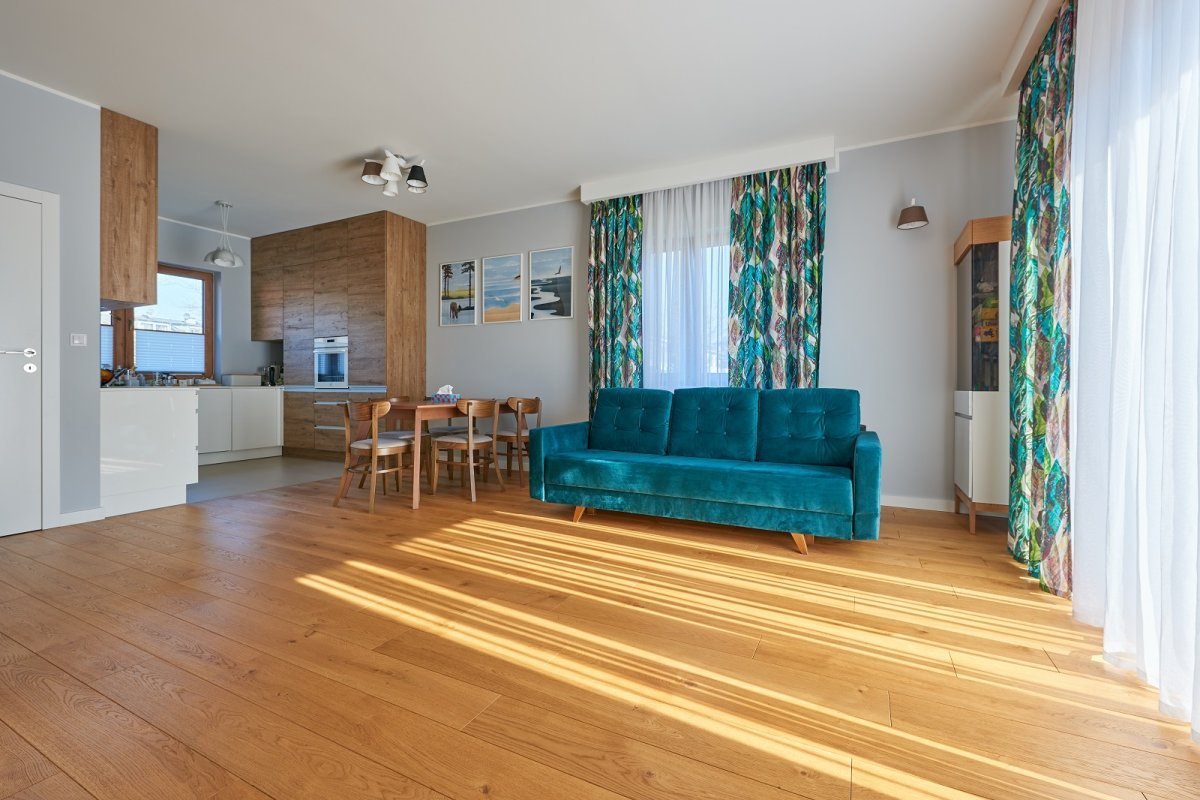


























A few words about how light affects the color of wood
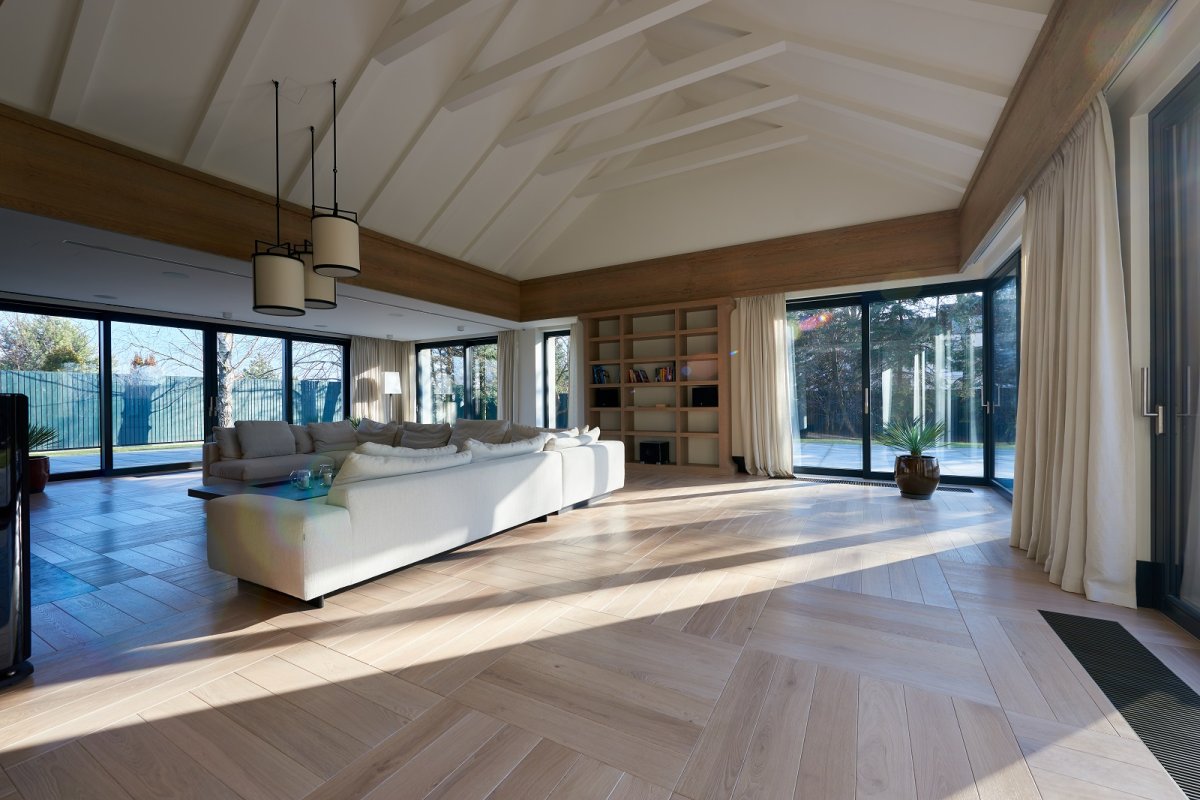
At the outset, it must be stated that the process of changing the color of wood is completely natural. Regardless of the species, this material is subject to the effects of UV radiation. The scale of this reaction varies, but is certain, as it begins as soon as we expose the floor to sunlight for the first time. The same goes for human skin. Every time we go out and the sun is strong, we must be aware that our skin will change color. More or less tanning will appear especially when we do not cover our bodies with the appropriate cream.
Occur depends on its installation location and usage. Wooden flooring is a natural material and, like any such product, reacts to external factors - moisture, temperature, and above all, sunlight. Light directly influences the saturation of the color of the parquet floor - usually darkening, which can be interpreted as a decorative effect of the wood. However, the color changes not only depending on how long and intensively the floor is exposed to sunlight. The species of wood we choose and the type of protection are also important in this context.
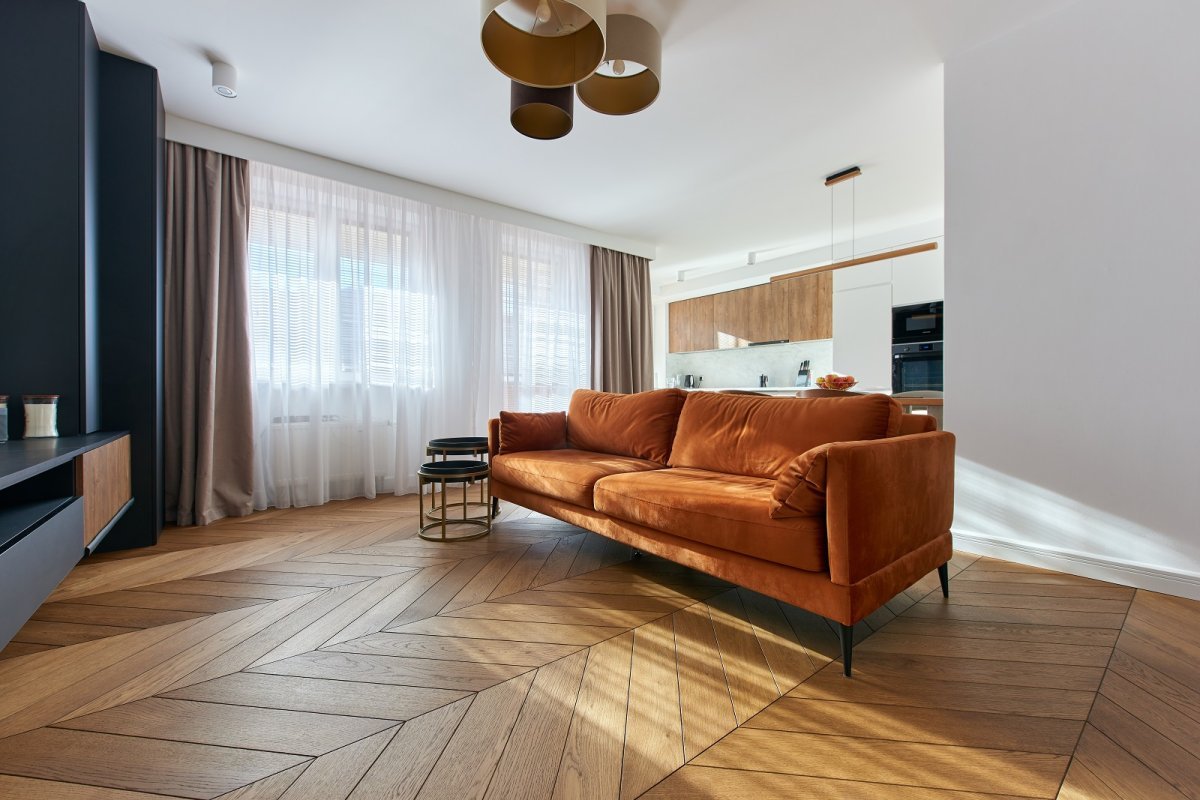

Exotic species such as jatoba, merbau, badi, doussie, as well as American cherry and cherry, are more susceptible to ultraviolet radiation and significant darkening. On the other hand, European species such as ash and oak react to sunlight to a lesser extent. Depending on the wood we choose, the color change can take from 6 months to a year. It is worth keeping this fact in mind and visiting a sales showroom to see a professional color chart and check how the final color of the wood, affected by light, looks.
To reduce or slow down this process, it is advisable to choose floors with special varnishes or oils containing UV filters. Renowned systems used by manufacturers significantly reduce the aforementioned changes. Regardless of the components chosen, it is important to remember that the process of changing the color of wood is natural and somewhat constitutes the aesthetic charm of this material. It cannot be stopped, only delayed.
However, what can be done when designing an apartment and planning our arrangement to minimize the impact of UV rays on wood? There are several options. Some of them are free and only require time.
Using blinds, roller blinds, or simple curtains will limit access to natural light into the rooms and is a simple way to protect floors in summer and during peak sunlight hours, especially from the south. Horizontal blinds are an excellent solution in this context, as adjusting them to direct light towards walls and the ceiling, bypassing the parquet, is sufficient.
Regular rearrangement is also effective. Changing the position of rugs or furniture will help ensure an even color for the floor. When it is covered, it generally remains lighter - in contrast to sun-exposed areas, where it becomes darker.
Home equipment elements that naturally protect wood include special films used on windows. They block UV rays and infrared radiation while allowing visible light to pass through. The use of windows with anti-UV glass, i.e., reflective and absorptive glass, is also very effective in protecting not only wood, furniture, and paintings in the home, but primarily our skin. Awnings made of various materials, available in retractable or fixed versions, are also useful.
In conclusion, there are ways to slow down the change in wood color, but the process itself can never be completely stopped. It is a natural characteristic of wooden flooring, which can be perceived as a decorative effect. For us, it is a charming and magical image of the transformation of this material that makes wood increasingly beautiful. This transformation is what distinguishes natural floors from laminate and vinyl.