






















Brushed or smooth floor?
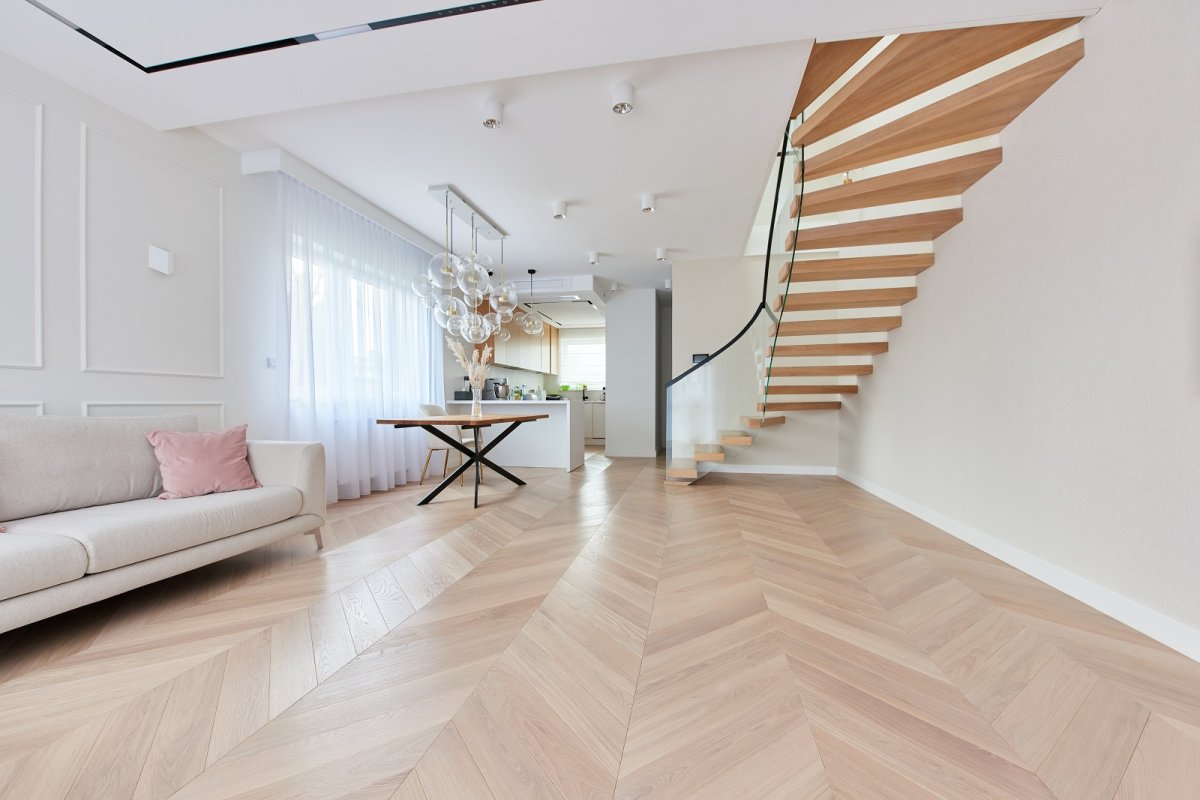
Wood has its unique, natural charm. It is a material that almost automatically becomes a decoration in any interior, and its aesthetics are influenced - or can be influenced - by processes such as brushing. What does it mean and how does it define the appearance of a wooden floor? Answering this question, it must be stated that it is a method of wood treatment that makes the planks look delicately aged, and therefore more noble.
By mechanically removing soft elements, known as early wood, from the wood surface, its top structure becomes much richer. In practice, this means that by using a special machine in production, we interfere with the grain, which consists of early wood and late wood - the harder wood. As a result, the structure becomes highly diverse, visible to the naked eye and by touch.
There is no rule about this. The effect obtained is subtle enough not to overwhelm and, as a result, does not definitively define the character of the interior. Planks subjected to brushing will therefore fit into most rooms, regardless of their style or decor. However, it is certain that the pronounced, distinctive structure of the grains gives the wooden floor a more rustic character.
By choosing to brush the planks, we get several basic benefits.
A brushed floor is, first of all, a diverse, non-uniform wood structure, which is functional, especially in the context of potential scratches. This is particularly important when we already have pets at home or are considering adopting or buying them. Any mechanical damage or scratches caused by claws are then less visible, and we can enjoy the beauty of our wooden floor for longer.
Another advantage of planks subjected to brushing is a significantly less slippery surface. Such a floor has better anti-slip properties than a smooth floor, making it safer for small children and pets.
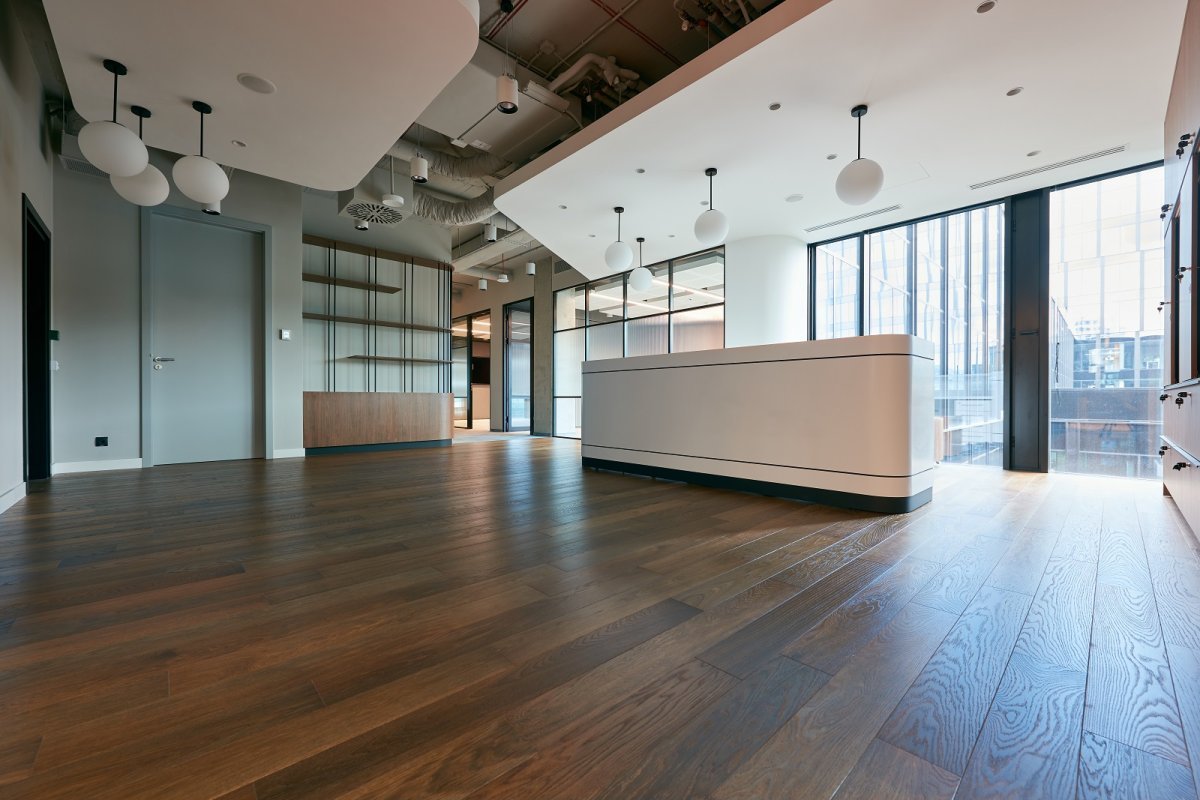
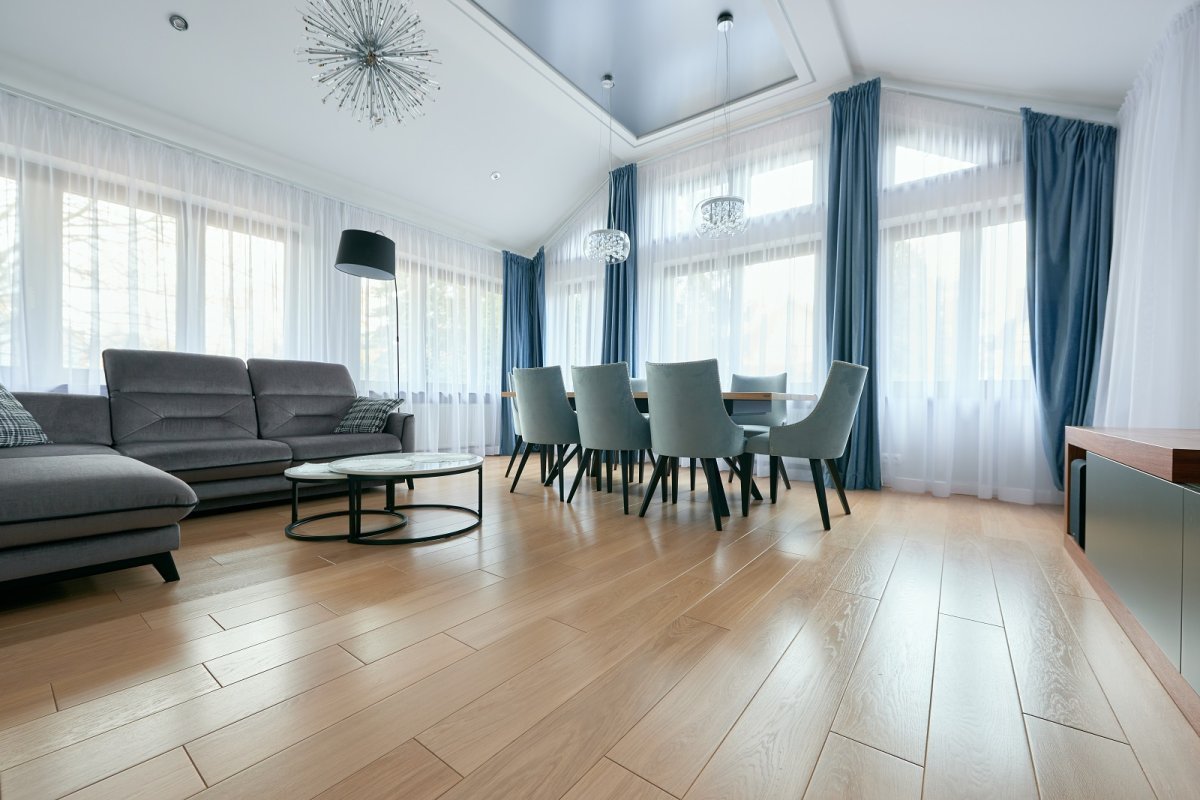
There are two options to choose from: oiling or varnishing. Both options complement brushing, each has its specific advantages, and each has its supporters. In the case of oil and wax-based preparations, we gain an additional protective layer. This is due to the substances penetrating into the interior of the wood, which also emphasizes the brushing effect more than when using varnishes.
Equally popular methods of finishing wood are smooth floors. Their top layer is usually covered with several layers of varnish or oil-wax. Parquet with a smooth structure is a classic seen in interiors inspired by the decor of old tenement houses and elegant villas, as well as in modern or industrial spaces. In conclusion, such a floor is a very popular solution, but it has one drawback - scratches are more visible on it than on a brushed floor. However, this is not a significant problem, as there is a wide range of regenerative products available for smooth surfaces. Choosing a floor with a matte finish can help reduce the visibility of signs of use.
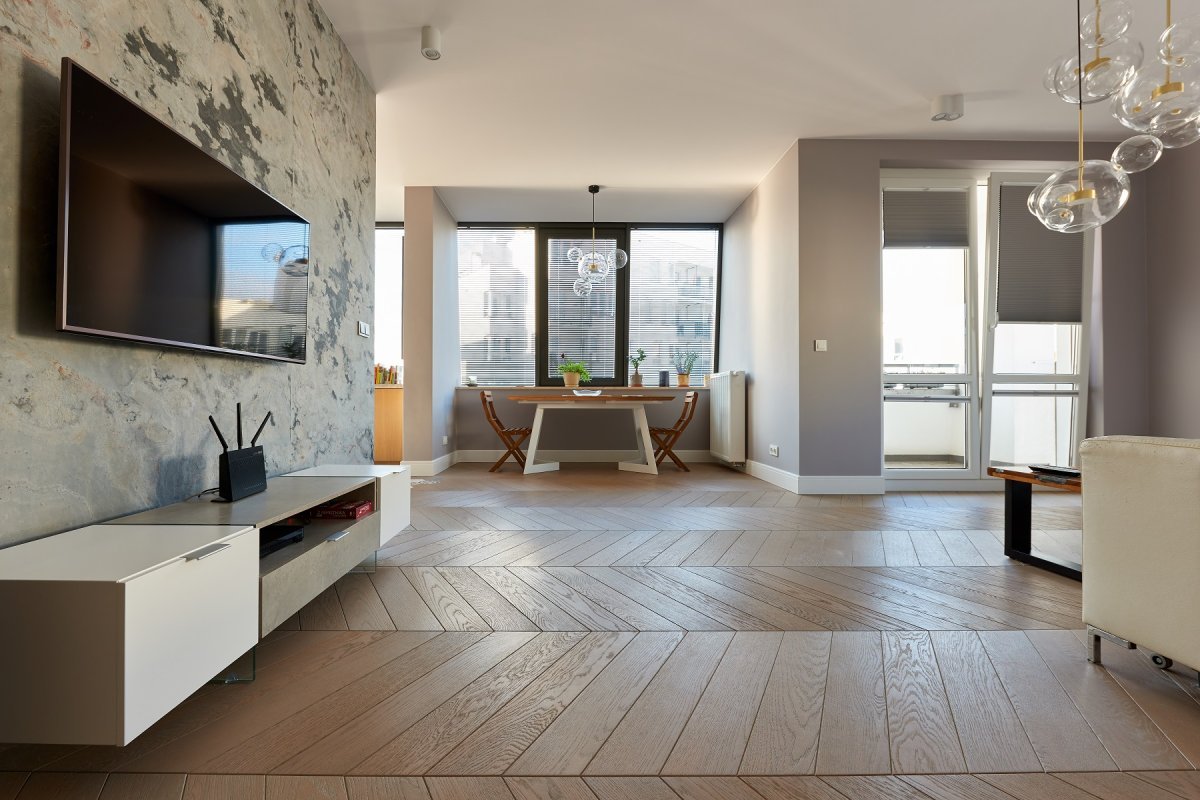
The choice of floor is individual and depends entirely on your personal preferences. What effect you want to achieve, what style rules your interior, whether you have children and/or pets - all of this should influence the decision that will define not only the aesthetics of the space you occupy but also its functionality.