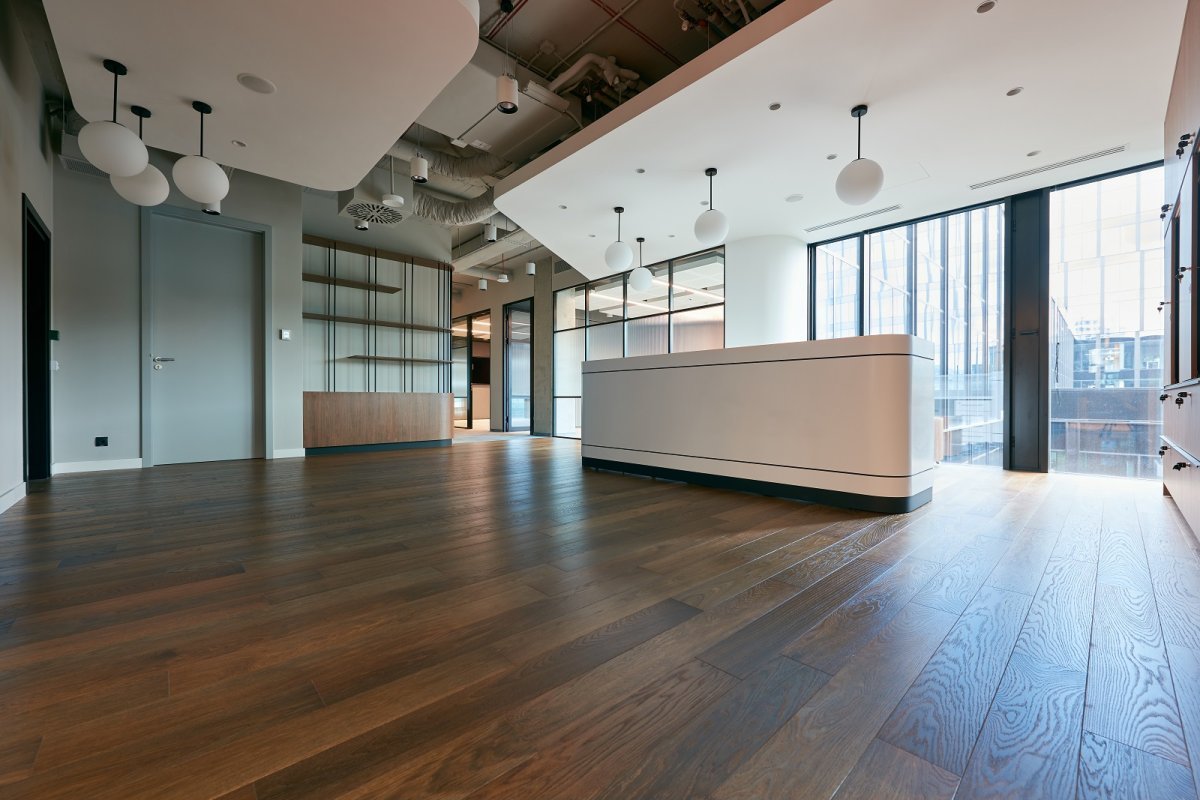


























Warming up the screed, or a necessary condition for underfloor heating.
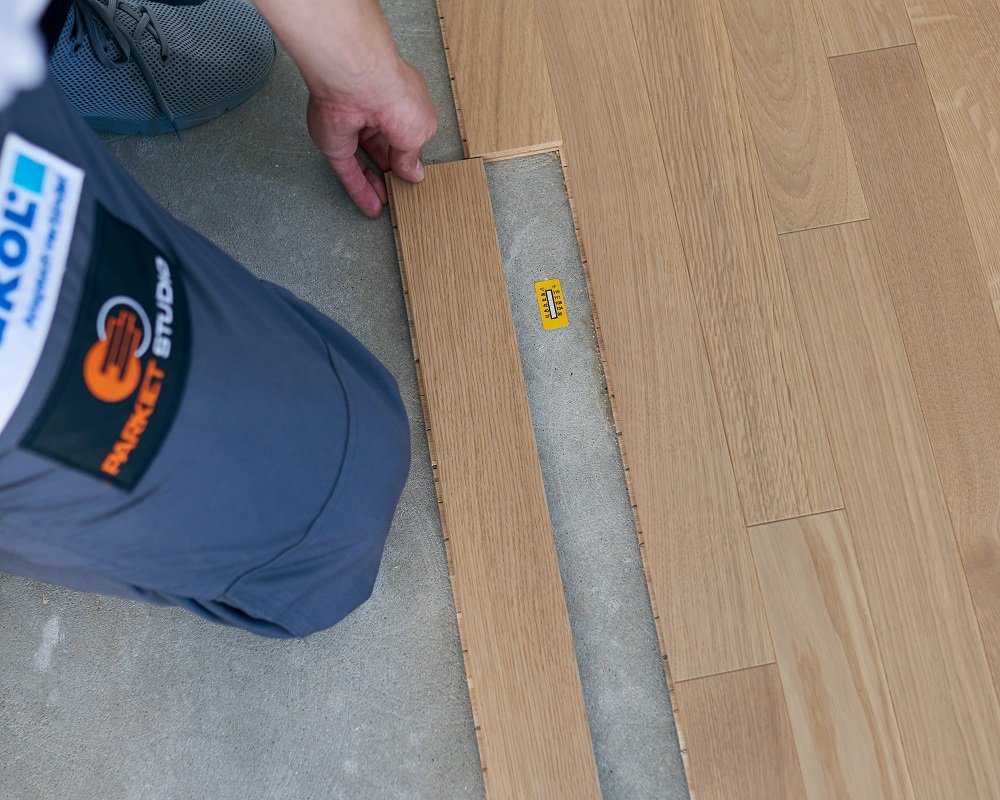
Underfloor heating is a solution that is gradually gaining popularity in Polish homes. Its application is not only energy-efficient but also practical, considering the comfort of living for the whole family. To ensure that it meets its objectives and functions correctly, certain requirements must be met. What should be remembered then? Before installing wooden floorboards, it is necessary to properly heat the screed.
The principles associated with this are extremely important because underfloor heating imposes a specific approach to heating the screed. It varies depending on the type, with the choice between anhydrite or cement screed. Below we describe what is necessary to complete the whole process correctly, and we also discuss what can go wrong.
Regardless of the type of screed, when installing underfloor heating, it is necessary to follow the guidelines in accordance with the PN-EN 1246 standard.
When we decide to use a cement screed, the heating system installation can start after a minimum of 21 days. This type of screed requires starting the whole procedure by increasing the heating water temperature by about 5-10°C compared to the temperature of the given space. What's next? Over the next 2-3 days, we increase the water temperature by 5°C. Once we reach a temperature of 45-50°C, we maintain it for 5 days. Then - over the next 2-3 days - we decrease the heating water temperature by 5°C until we reach a temperature of around 20-25°C.
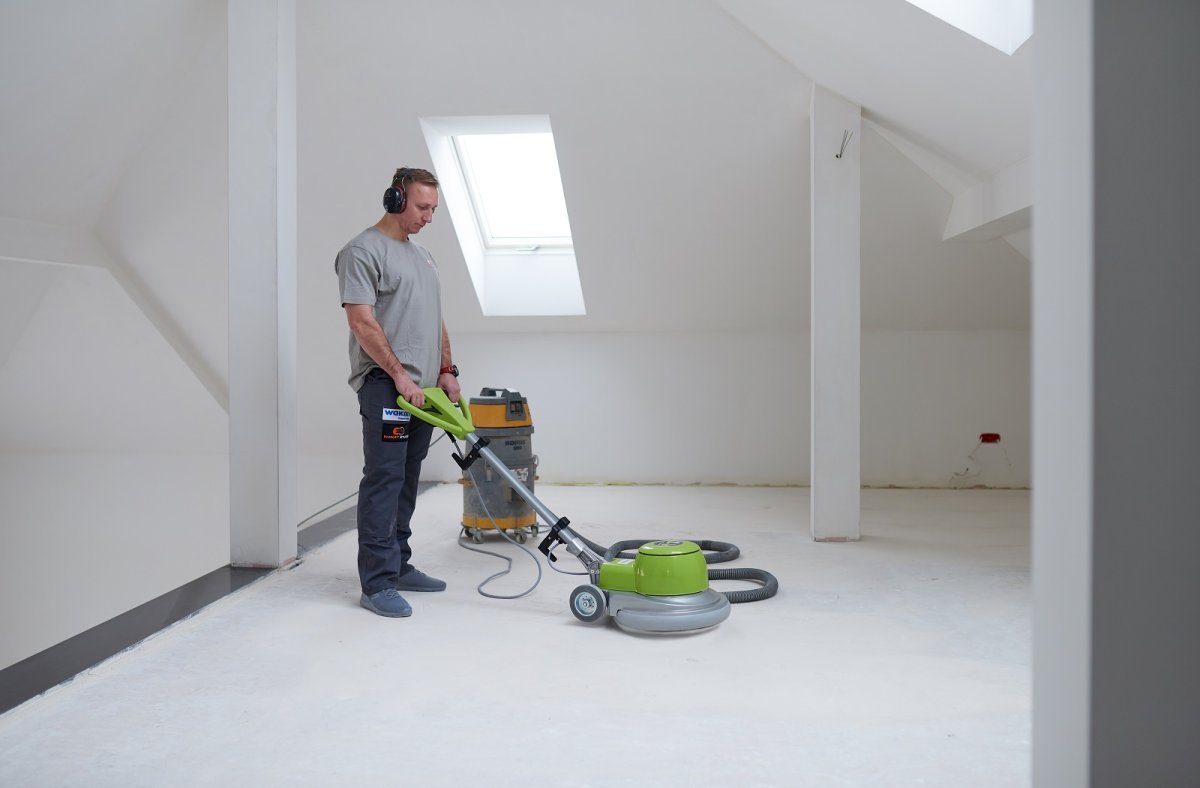
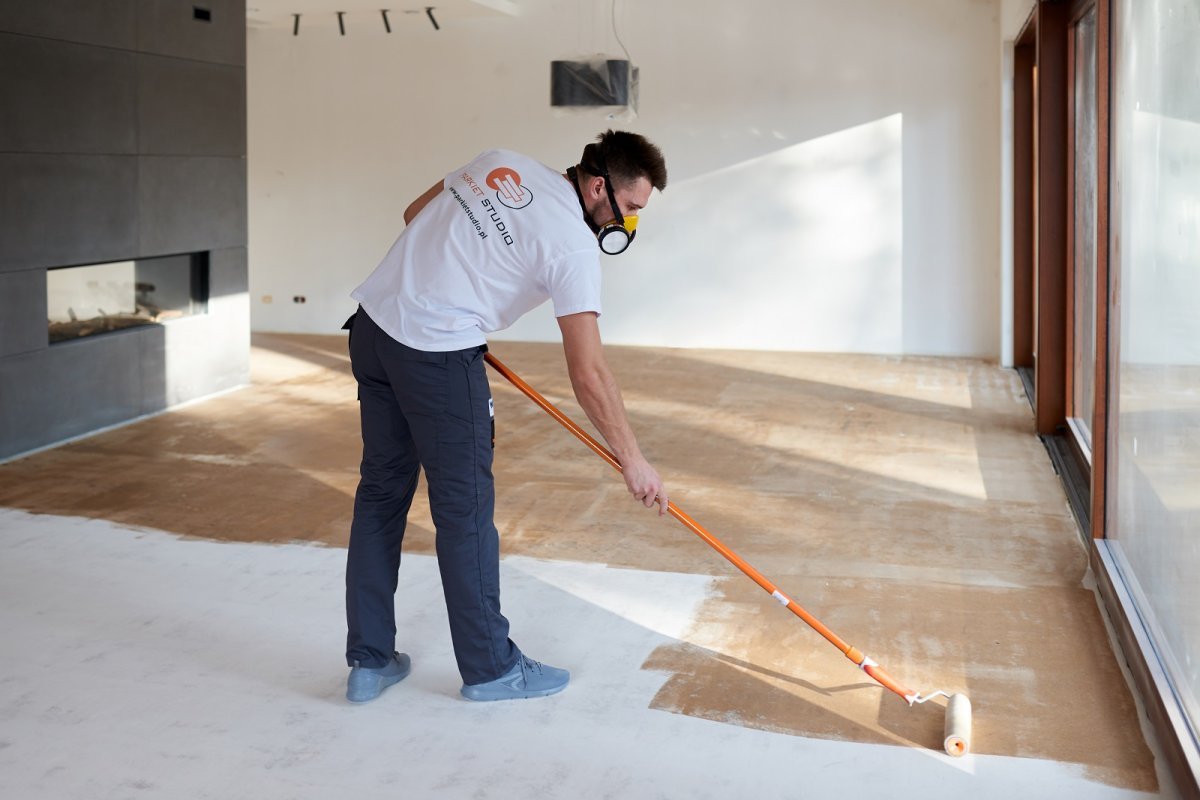
When choosing anhydrite screed, we start the heating process with water, which - similar to cement screed - has a higher temperature (5-10°C higher than the ambient temperature). The next step involves increasing the temperature of the heating water by 5°C per day, and we continue this process until we reach 55°C. We maintain the maximum temperature for the next 2-5 days, and then we begin the cooling phase - reducing the temperature by 5°C every 24 hours - until we reach the proper temperature of 20-25°C.
Regardless of the above, it is very important that the supply temperature remains constant. It should not be lowered at night, while ensuring that the rooms are ventilated during floor screed warming. It is important to remember to avoid drafts, as they can result in uneven drying of the screed. It is also crucial to clean the room and remove any objects that may hinder the evaporation of water from the substrate.
Once the warming is completed, a humidity test should be conducted, usually carried out by a technician before floor installation. However, if you want to do it yourself and do not have specialized equipment (a hygrometer), there is a simple way to do it! How does it work in practice? Lay a PE film on the selected screed surface, and carefully seal its edges with tape. The next day - after exactly one day has passed - peel off the film and check if there are any droplets of evaporated water on it. If the test confirms moisture, return to the heating system, restart it, warm up the screed for several more days, and then repeat the procedure.
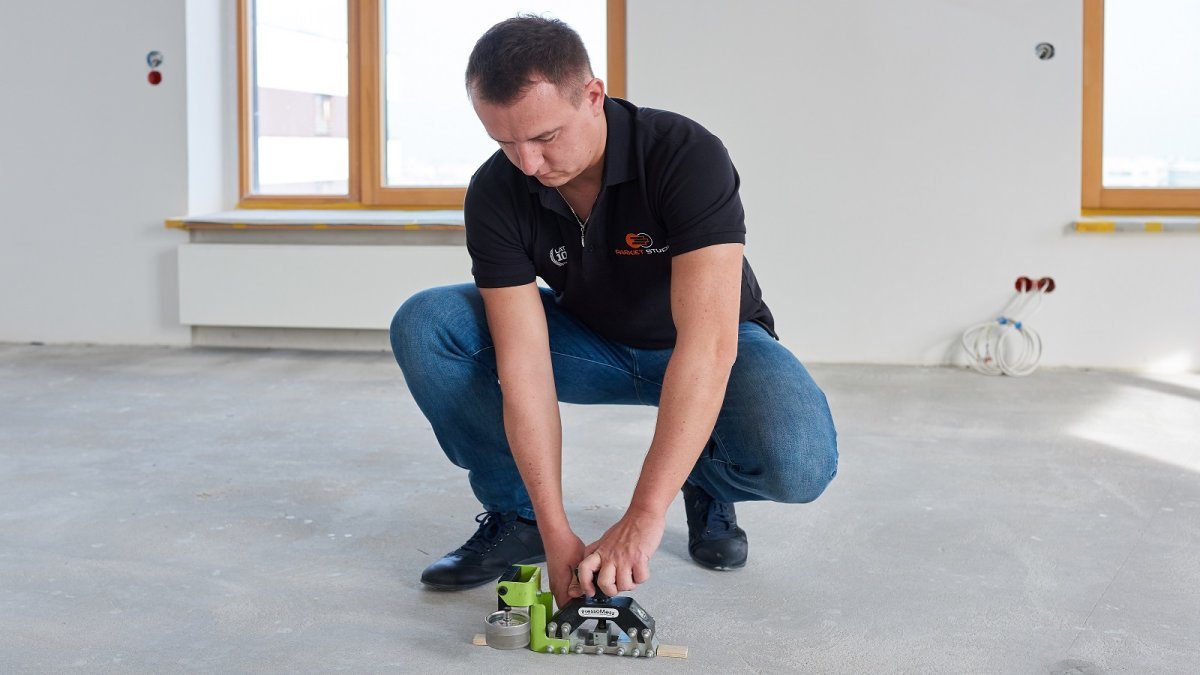
We have already presented the process of heating the screed, so now it's time to discuss the consequences of its absence. Firstly, it should be noted that the underfloor heating slab is about half as thick as a standard screed. It contains more water, and as a result - its evaporation requires more time. By skipping the heating of the screed or carrying it out improperly, we lead to a situation in which the uniform moisture drainage and removal of stresses responsible for potential floor cracking or edges lifting of the screed are hindered. In practice, improperly heated screed means that its lower and upper zones have different moisture levels. When the heating system is turned on, there is a risk of deformation of the heating slab, which in turn means that the edges of the slab may bend downwards, while its internal surface may rise upwards, losing contact with the insulation.
However, that's not the end of the problems. Placing ceramic tiles on a not yet dried screed may cause them to crack. When laying wooden planks, we must be aware that we may cause wood deformation, the appearance of cracks in it, and in extreme cases, even the detachment of the floor from the screed.
We already know that screed heating is an extremely important element in underfloor heating. As a consequence, even the smallest irregularities related to this process have serious effects. Heating a floor that has not yet bonded (required period for a cement screed is 21 days, and for anhydrite screed is 7 days) leads to the removal of the necessary water for proper binding process. This, in turn, results in the screed not reaching the desired strength, so it is essential to stick to the schedule mentioned above at all costs, while also avoiding drafts and opening windows in the room.
Another common mistake is setting the water temperature too high in the heating pipes, which accelerates the heating process. With rapid heating, the water in the pipes cannot heat evenly, leading to an uneven distribution of temperature, which can cause the edges of the slab to lift, ultimately resulting in its warping.
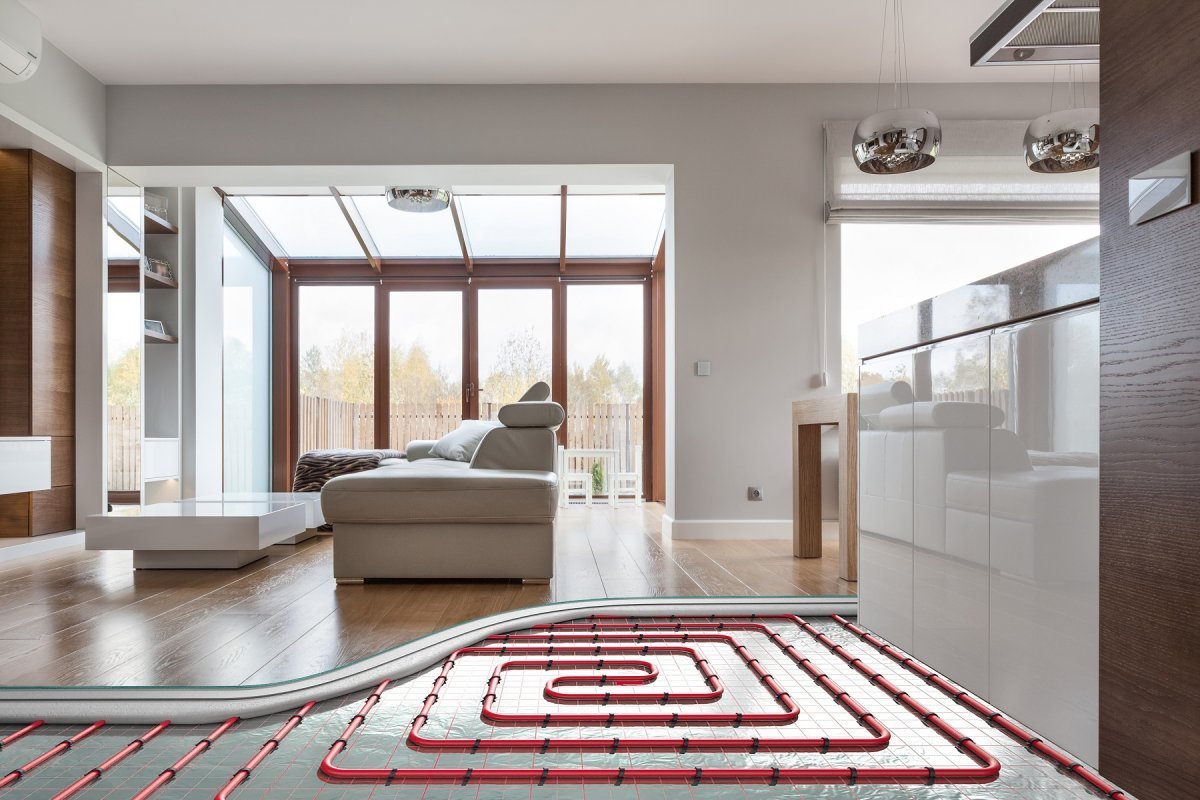
Underfloor heating has many advantages and it is definitely worth deciding on it, but in order to use it for many years and trouble-free, you should take into account all of the above. If you have questions related to professional screed heating or if you are interested in the optimal selection of wooden floorboards for underfloor heating, contact Parkiet Studio showroom. Write to us, visit us, or call us, and we will answer all your questions!