





















Thermo wood - what are its main advantages?
Thermo-Wood is created through the modification of wood under the influence of high temperature and steam. This technology leads to changes in the properties of wood, resulting in greater resistance to water and biological factors. The material produced through this process becomes very stable and is not affected by changes in environmental humidity.
In simple terms, the process involves the use of high temperatures ranging from 170°C to 230°C, along with neutral gas and water. The modification process is completely ecological, and by-products in the form of gases are burned off.
As a result of high temperature exposure, a significant dissolution of hemicellulose occurs, leading to changes in the physical structure of wood. Resins and extracts evaporate significantly from the wood. This makes thermally modified wood permanently less hygroscopic. Thanks to these properties, it is ideal for external applications such as outdoor furniture, decks, docks, pool enclosures, building facades, windows, doors, etc. It performs exceptionally well in environments with variable humidity levels, such as our homes during the heating season, where humidity drops below 20%. In such conditions, natural material floors tend to shrink. However, a floor made of thermally modified wood does not undergo such changes. It is also perfectly suitable for use in bathrooms, kitchens, and saunas.
Reducing the amount of hemicellulose as a result of thermal wood treatment deprives fungi of nutrients, making the wood resistant to bacteria and fungi, thus increasing its resistance to decay. This allows for applications in moist environments such as bathrooms, shipbuilding, etc.
The technology is based on a completely environmentally friendly process. No chemical agents are used, and any volatile products created during the process are incinerated. The resulting thermally modified product is completely safe for the environment, with no release of harmful substances, leaching, or infiltration of toxic compounds into the soil as may occur with chemical wood impregnation. Products made from thermowood are easily recyclable, and burning them does not introduce pollutants into the atmosphere or contribute to the greenhouse effect. The modified wood produced in this process can successfully replace exotic species, contributing to the protection of tropical forests, from which wood is not always harvested sustainably.
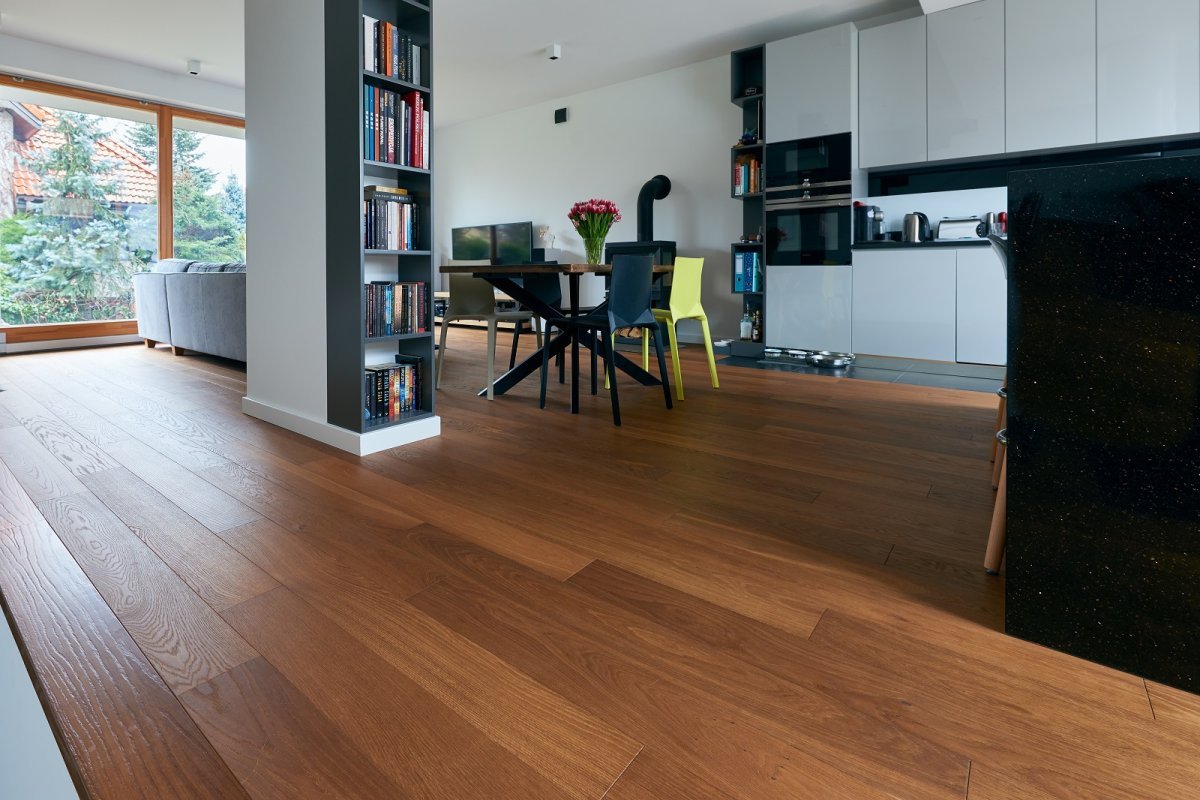
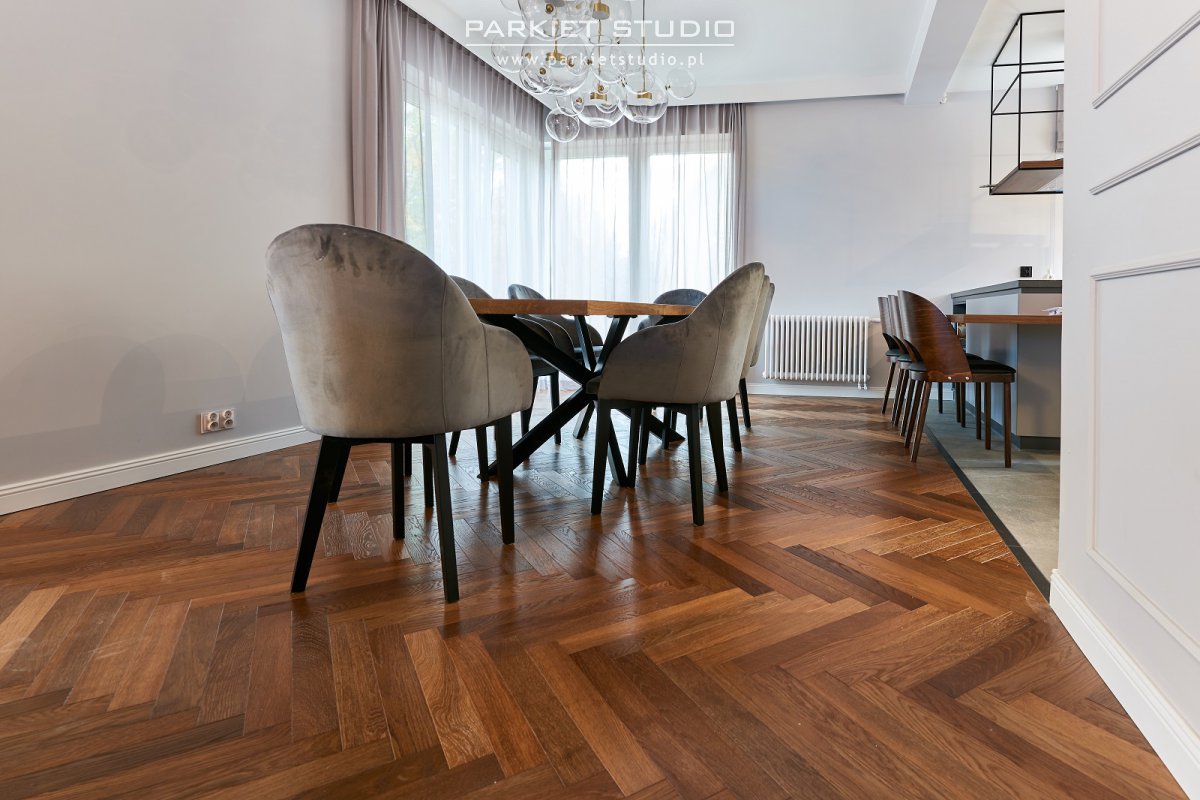
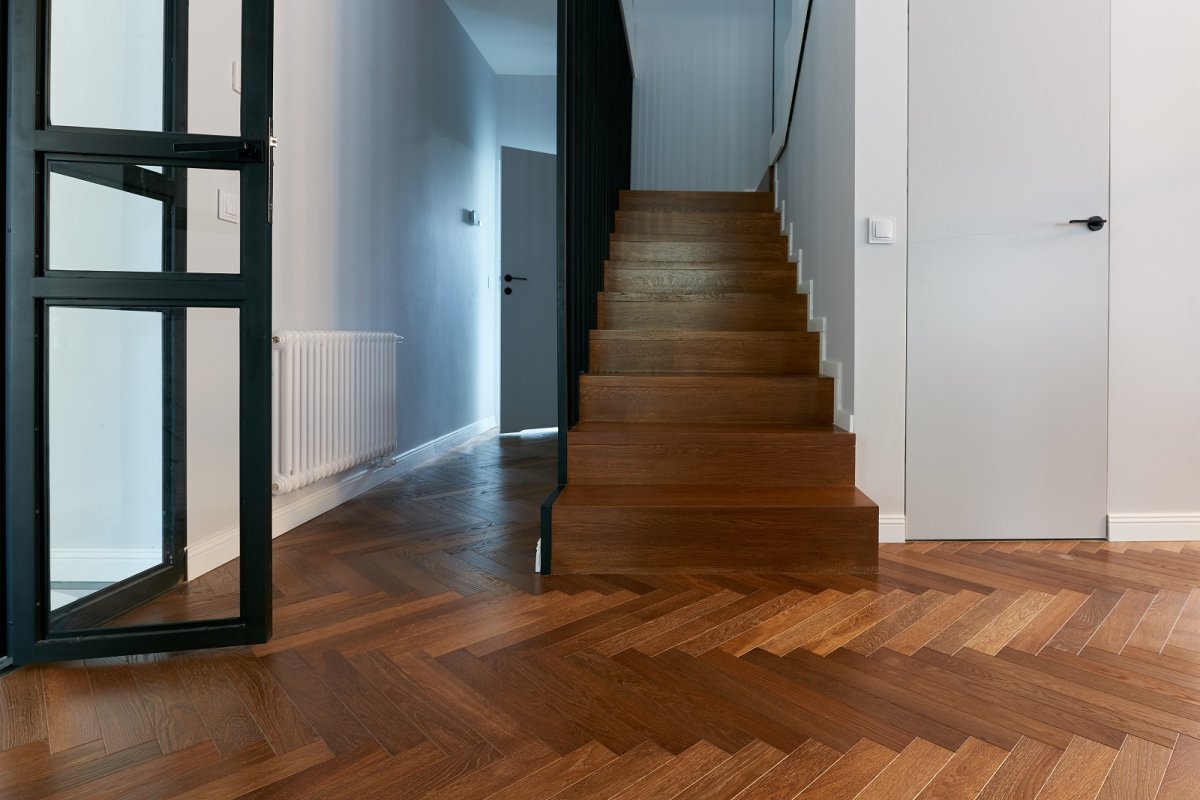
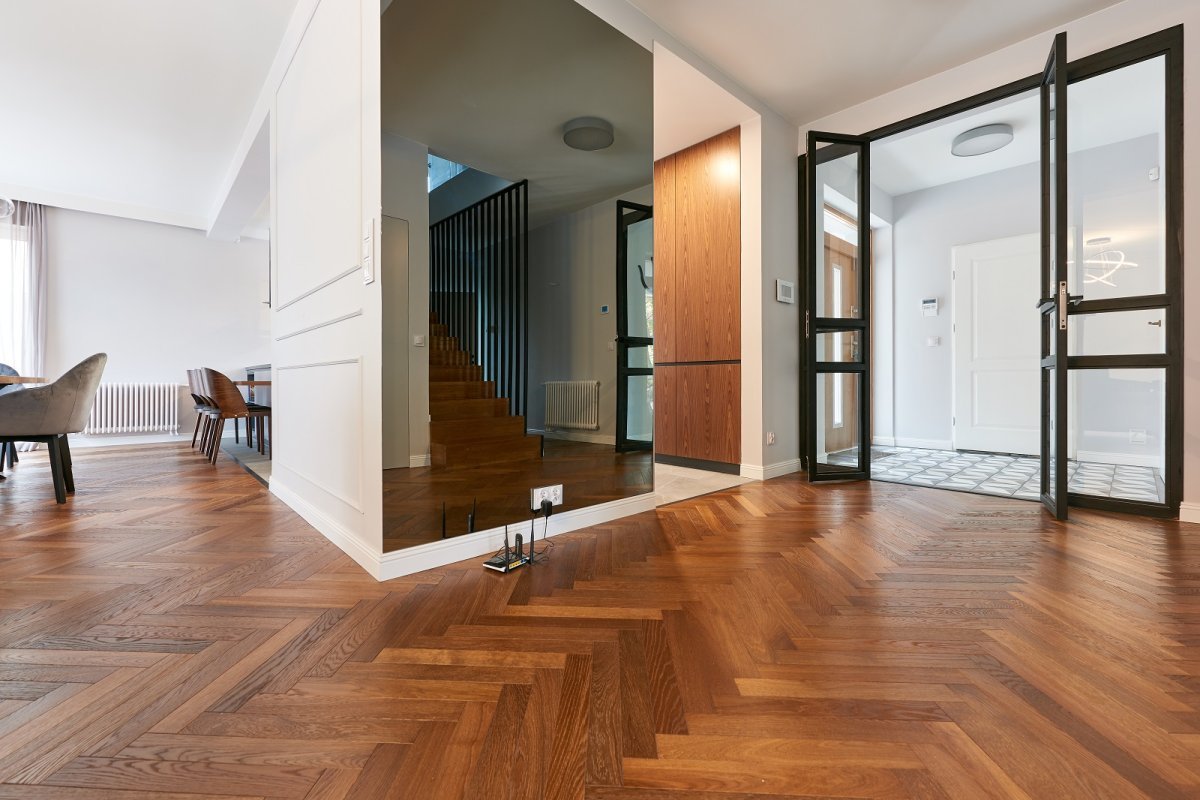
As a result of thermal modification, the color darkens. The change in color applies to the entire cross-section of the wood, which is very important during processing and use of products. The process can be controlled to achieve the desired shade and obtain a product that closely resembles some exotic wood species. Species such as poplar or alder acquire a completely different appearance and, combined with their physical properties, become a very attractive and cost-effective material.
Thermowood should be maintained like any other type of wood. However, it does not require chemical impregnation. It can be varnished, stained, oiled, or waxed. This wood may fade and turn grey under the influence of ultraviolet rays. Therefore, it is recommended to use products with pigment or UV filters.
Particularly good results are achieved by using oils and waxes, which beautifully emphasize the warm color and grain of the wood.