




















Underfloor heating and wooden floor
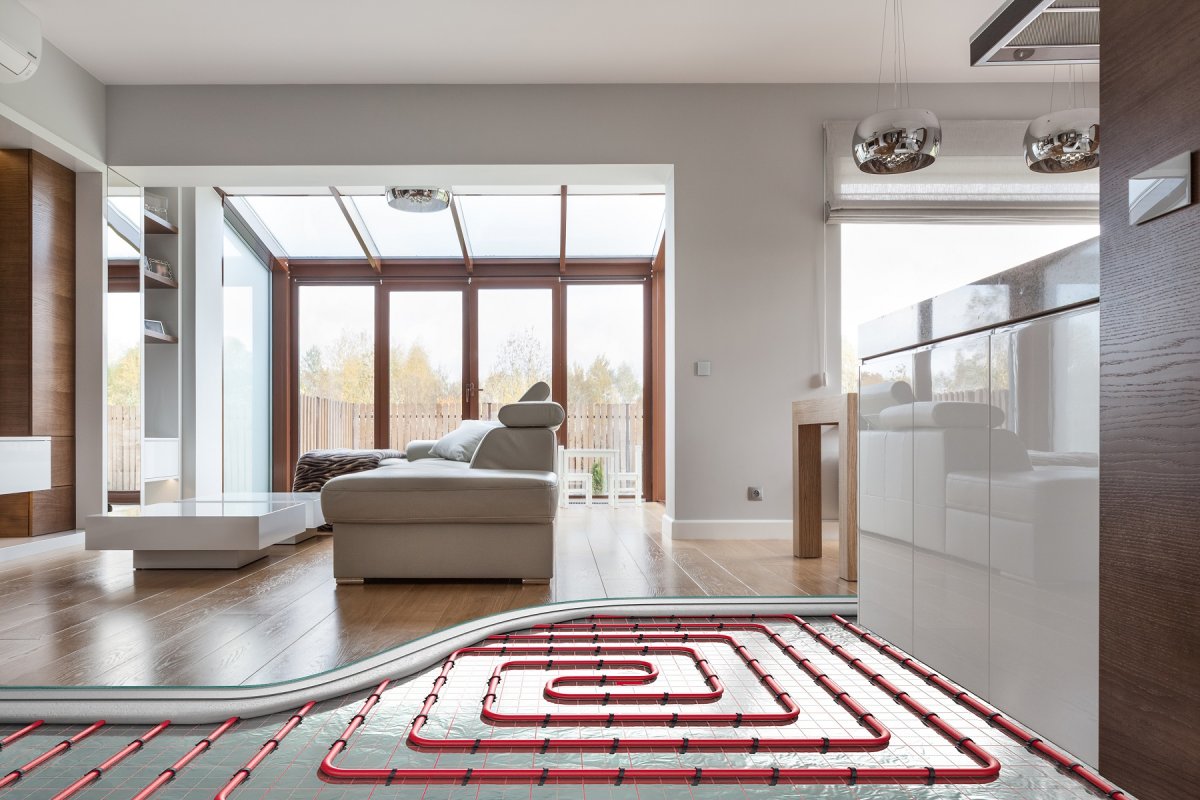
More and more often, we are opting for solutions that are good for the environment and generate energy savings. An example of this is underfloor heating systems, guaranteeing more efficient heat distribution.
Its advantages are multidimensional. Some appreciate the aesthetic effect - we no longer need to place radiators on the walls, taking up space and collecting dust, and it is easier to keep the surface clean without convective radiators. Also, health and better well-being of allergy sufferers are not insignificant in this context. In turn, in winter, our feet do not freeze, and without negative consequences for our health, we can give up warm socks and enjoy thermal comfort even on the coldest days!
However, let's pay attention to the aspect of savings and ecology. Underfloor heating makes it much easier to maintain the optimal temperature in the house, and this happens at a lower cost, both in terms of energy and financially.
Therefore, when planning a project or renovating a house, it is worth opting for underfloor heating. The question is, can it be combined with a wooden floor? The answer is: yes! Such a mix is perfectly possible.
In contrast to stone floors or ceramic tiles, wooden parquet is warm in itself. Many potential buyers assume that it is not an optimal material for so-called 'underfloor heating', but with the fulfillment of specific conditions, wood proves to be very durable and resistant not only to temperature, but also to heat-related deformations and material distortions. It should be noted in this context that most manufacturers provide a full warranty on their floors dedicated to underfloor heating systems when specific conditions of use are met. This is by no means a novelty; the first such parquets have been available on the market since 2010.
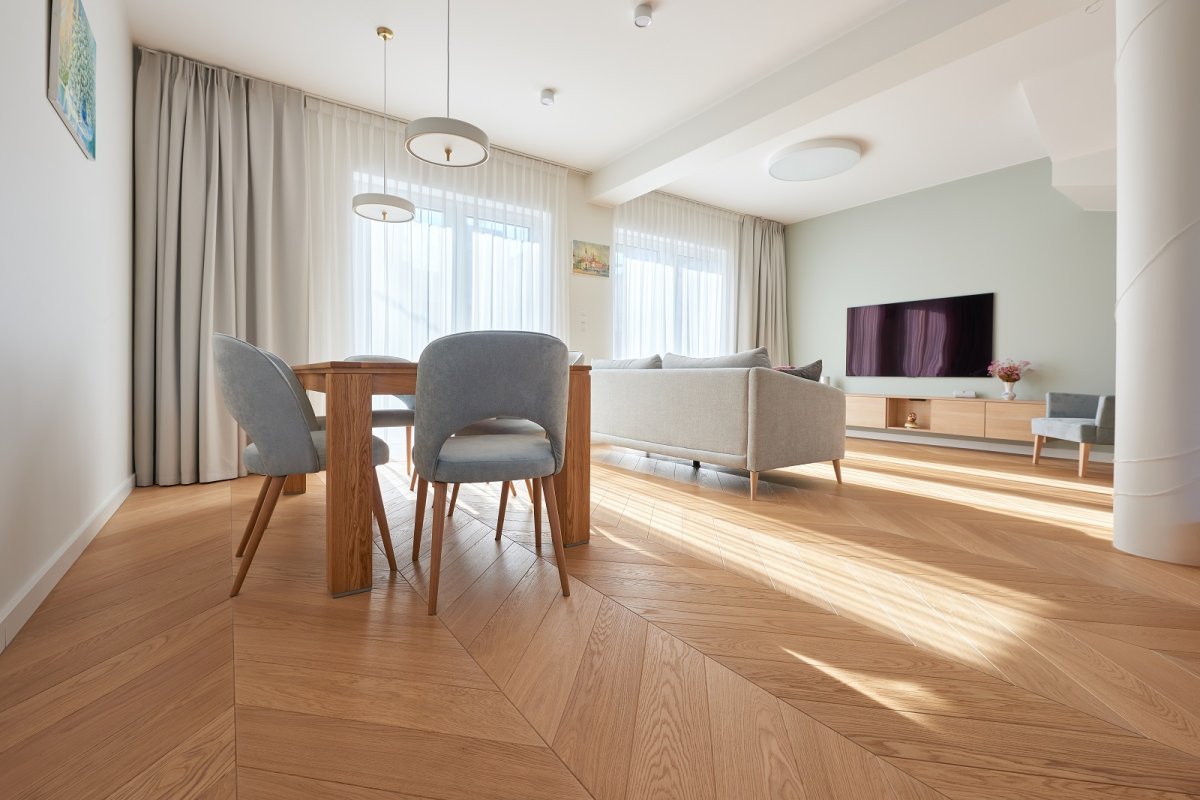
Above all, one must consider the specificity of wood - its properties, necessary building conditions for its application, appropriate selection of materials, and everything needed to ensure wood's freedom of movement.
When choosing to combine a wooden floor with underfloor heating, it is advisable to opt for a water-based system rather than an electric one. In the former, heating cables are placed at a depth of at least three-quarters of the screed thickness, ensuring even heat distribution and guaranteeing the desired temperature across the entire floor surface without the risk of overheating. On the other hand, electric heating uses a system of heating mats installed directly in the cement adhesive layer, on which – above the heating cables – ceramic tiles are mounted. This setup can lead to localized overheating of the floor surface, making it unsuitable for wooden flooring, which is particularly vulnerable to this phenomenon.
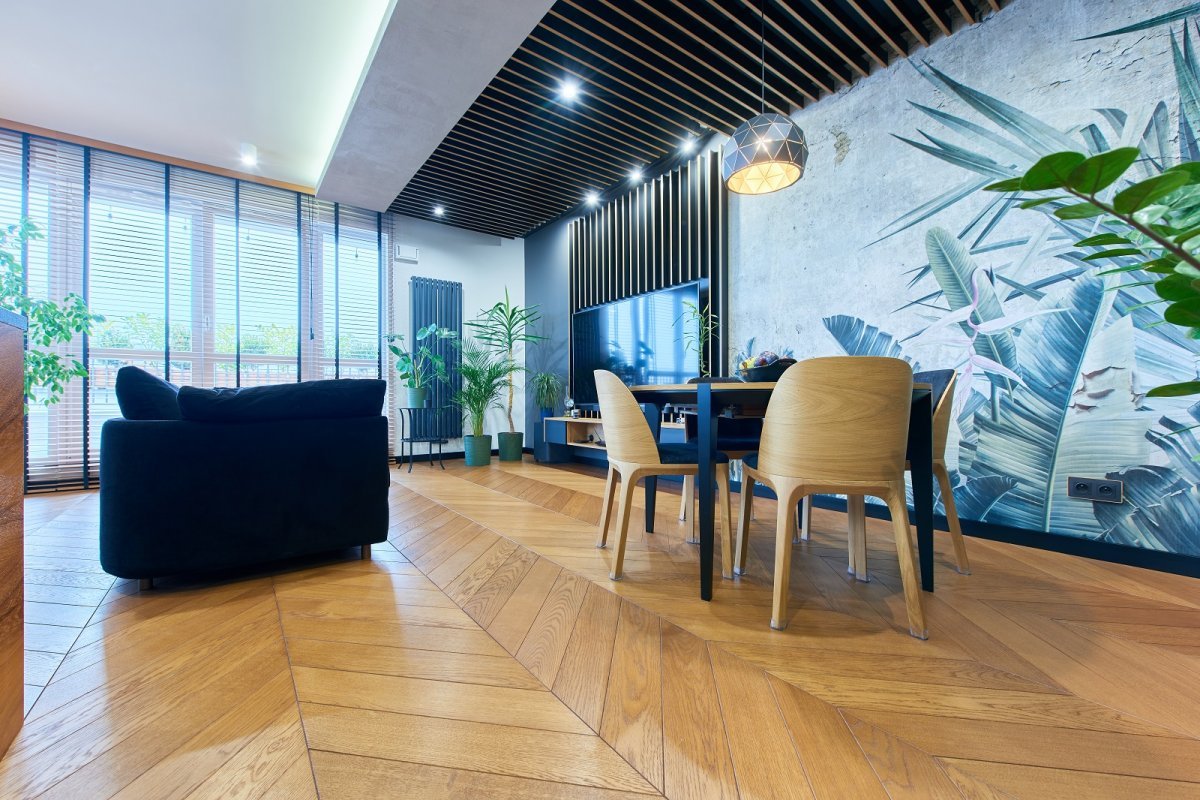

The recommended material should retain heat as much as possible "at the bottom", not crack, dry out, and withstand temperature changes well (from heating to cooling). The type of wood, board thickness, and specialized installation method are important. It is advisable to choose wood with low thermal resistance and high dimensional stability, which is responsible for resistance to deformation.
When combining underfloor heating with wooden parquet, it is worth choosing boards representing exotic species (merbau, iroko, doussie), as well as the classic and appreciated oak. Oak is an example of wood that tolerates temperature changes well and conducts heat when it is generated from the floor. Solid oak floors are characterized by high stability and density, which prevents the formation of gaps. It is necessary to avoid species with a high coefficient of shrinkage and swelling, so birch, maple, beech, as well as more alternative species like wenge and jatoba should be rejected.
The choice of the board construction is also important. Solid boards should not be too wide. Defined proportions are relevant here, as the width should be no more than 4 times the thickness. For example, if choosing a 15 mm thick board, its width should be 60 mm. Multi-layer boards, with non-uniform construction, minimized stress distribution, and lower coefficient of shrinkage and swelling, offer more possibilities. Here, larger dimensions are permissible, and the ratio of thickness to width is more striking (e.g. 10 mm x 100 mm). What's more, multi-layer boards also have better thermal conductivity. This is a solution that significantly improves the efficiency of underfloor heating and reduces its losses.
When discussing suitable boards, it is important to ensure they have beveled edges. In extreme winter conditions and very low air humidity, there is a risk of wood movement, which will affect its drying out. Conversely, in summer, high humidity causes the boards to expand. Beveling is important in this context, as it almost completely disguises both of these phenomena.
The thermal permeability of the material is also an important issue. Both during the assembly and installation of the floor, it is necessary to ensure that it does not exceed 0.10 m2 x K/W. The maximum temperature of the subfloor with an embedded heating system, on which the floor is mounted, must not exceed 27°C, and the screed necessary for the entire process must be professionally prepared and seasoned.
The subfloor - cementitious or anhydrite - with underfloor heating should be around 60 mm thick, and its seasoning period should be around 8 weeks. This time is crucial because premature heating of the subfloor can result in its deformation, crumbling, or loss of strength properties. The whole process should progress gradually. The temperature increase must be gradual, and the maximum heat level should ideally be reached after a specified period, for example, after 7 days. Once achieved, the temperature level should be gradually reduced step by step, and then the heating should be turned off. This described action must be confirmed by the appropriate protocol.
In terms of operation, it is very important to maintain a stable temperature and relative humidity in the rooms. Constant values of these factors minimize the shrinkage and swelling of the floorboards. Floors used with underfloor heating can be finished with various products: varnish, oil, or oil-wax. It should be noted that all products used to prepare the substrate, such as adhesives and primers, should have low emissions and a minimal content of solvents.
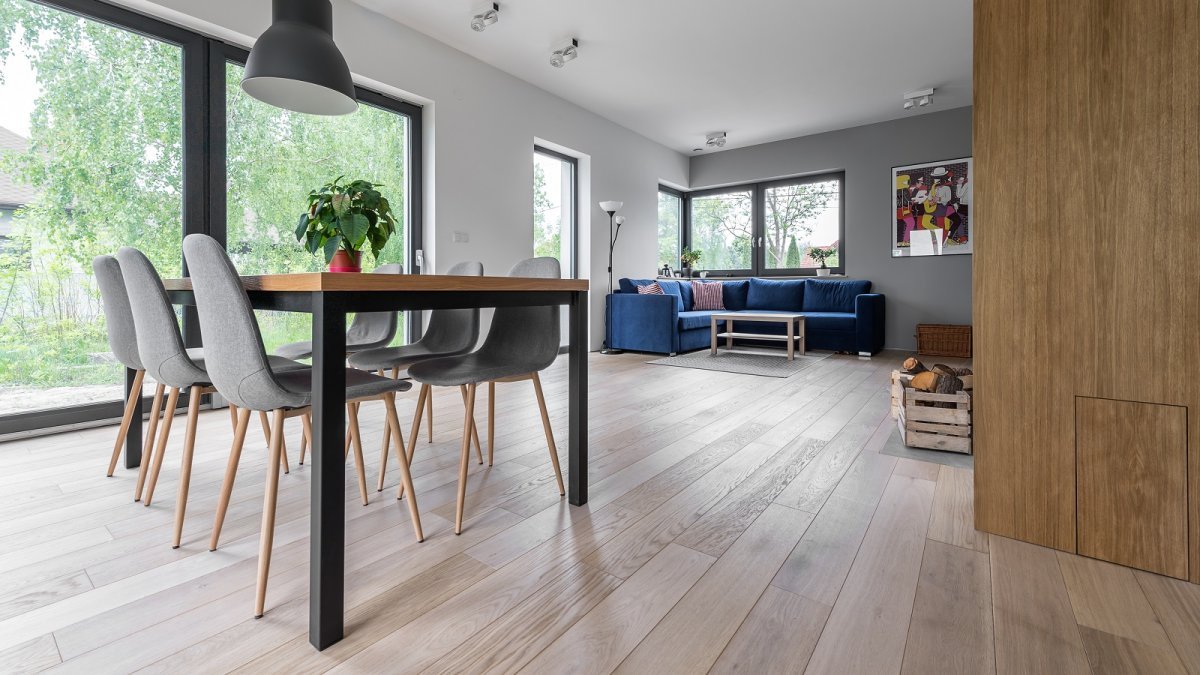
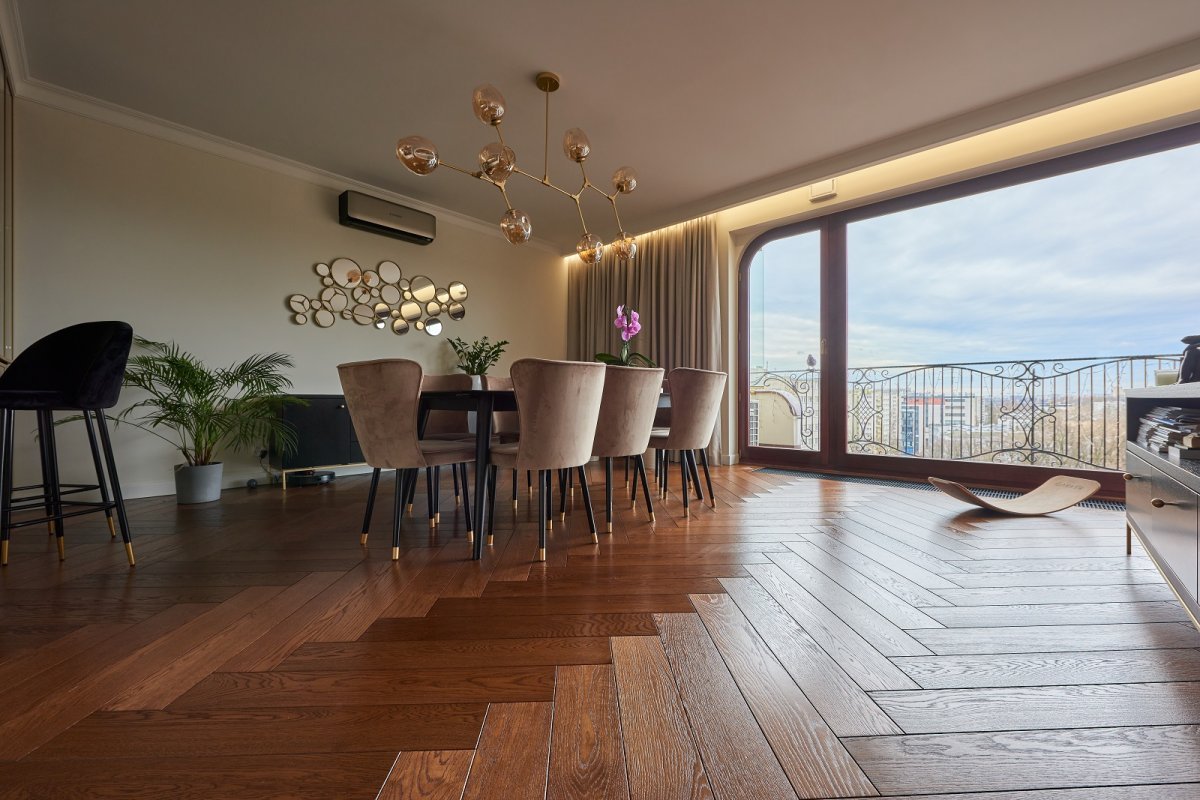
By meeting all the conditions mentioned above, you can join the green revolution and find the perfect ecological solution, which will also be a decoration for any interior. Arranging a house with wooden floors is an expression of timeless elegance, but also a true and magnificent image of nature that will delight for years!
The comfort of feeling pleasant warmth under your feet comes as a bonus!