


























Why do gaps appear in the parquet floor in winter?
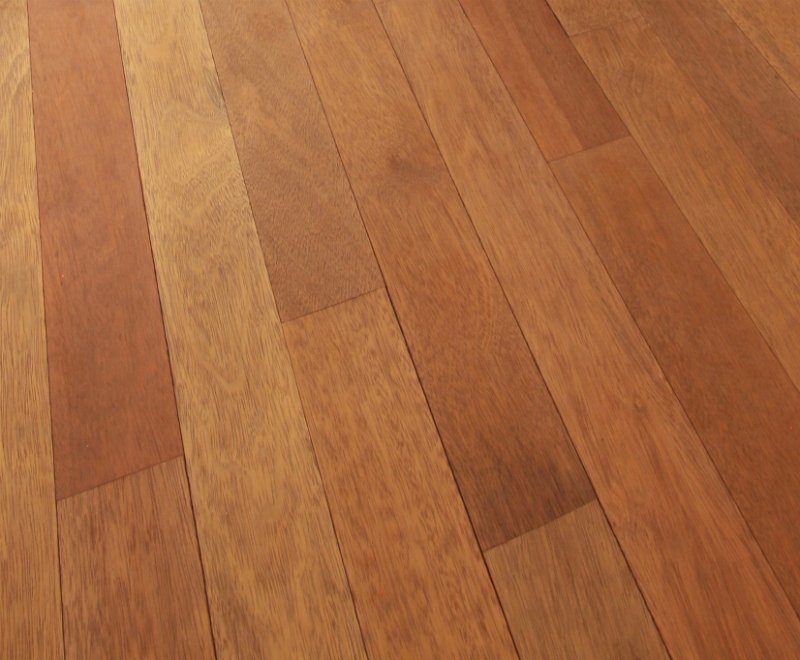
Natural work of wood...
The formation of cracks in wooden floors or boards is a phenomenon known to all of us. It is caused by the natural shrinking of wood, a process that is partially reversible. Wide solid boards are the most susceptible, as their work is more pronounced.
In winter, when we heat our homes, the indoor humidity decreases as the temperature rises. The wooden floor begins to adjust to the prevailing conditions - boards or parquet release moisture into the air, start to decrease in volume, shrink, which results in the formation of cracks. In spring, when the humidity rises, the wood starts to absorb it. Usually, the wooden floor returns to its original dimensions. However, it often happens that overly dried boards crack. Therefore, the process of drying the wooden floor should be carefully monitored, following the indications of a hygrometer. If the humidity has dropped significantly, it must be addressed immediately. Electric humidifiers are used for this purpose. Their task is to maintain the optimal humidity in rooms, which is 45-60%. This procedure will minimize the wood shrinking process and reduce the risk of cracks appearing between the boards, which can spoil the effect of a wooden floor.
Benefits of proper air humidity
Maintaining a relative air humidity level at a constant 45-60% is highly recommended, as it has the following advantages:
- Avoid unnecessary and excessive drying of wood
- Minimize the formation of cracks
- Prevent tensile stresses in the glue layer, as well as due to existing substrates
- Improve air hygiene.