


























Wood vs vinyl panels
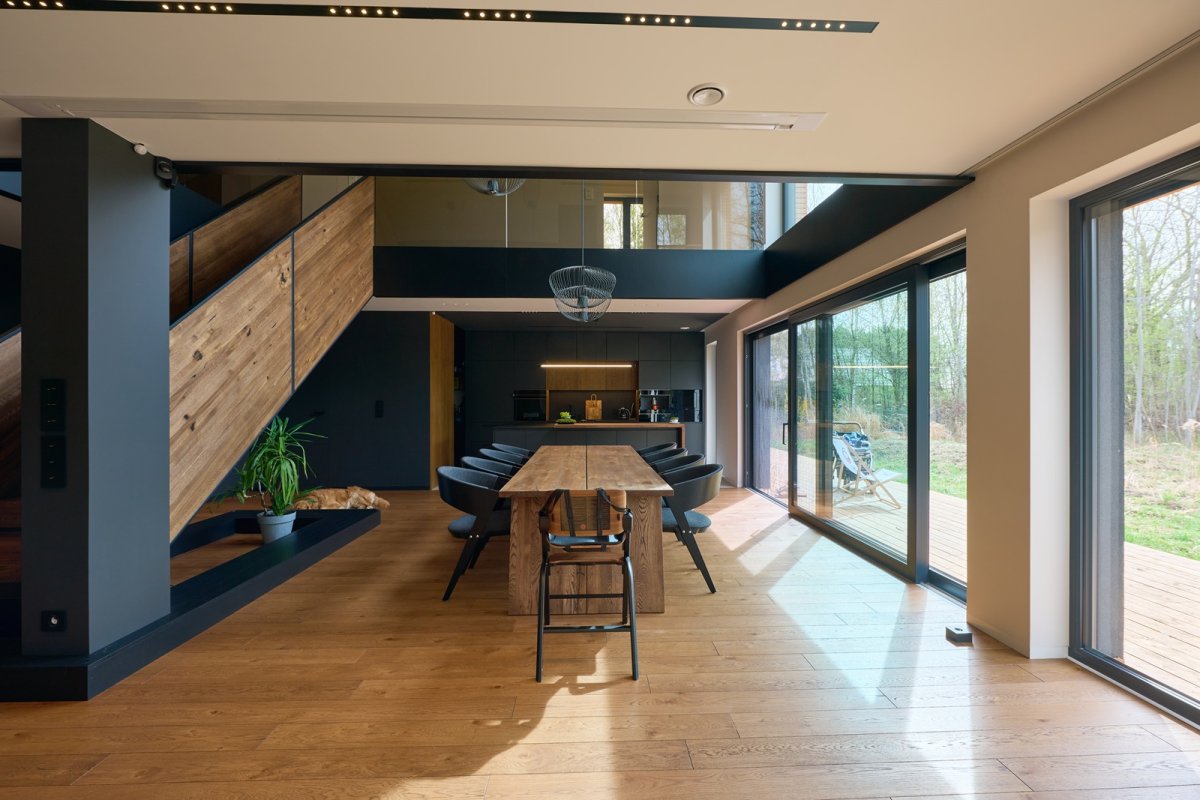
Although vinyl floors have become very popular due to their durability, water resistance, and easy maintenance, wooden floors still have many strengths that make them an irreplaceable choice for many people. Below you will find the most important advantages of wooden floors compared to vinyl.
Unmatched aesthetics and naturalnes
- Authentic look and texture: Nothing can replace the natural beauty and warmth of real wood. Each plank is unique, with distinctive grains and shades that give the interior true character and elegance. While vinyl floors are getting better at mimicking wood, they will always be just an imitation.
- Timelessness: Wood is a material that never goes out of style. It is versatile and fits any interior style - from classic to modern, Scandinavian, or rustic.
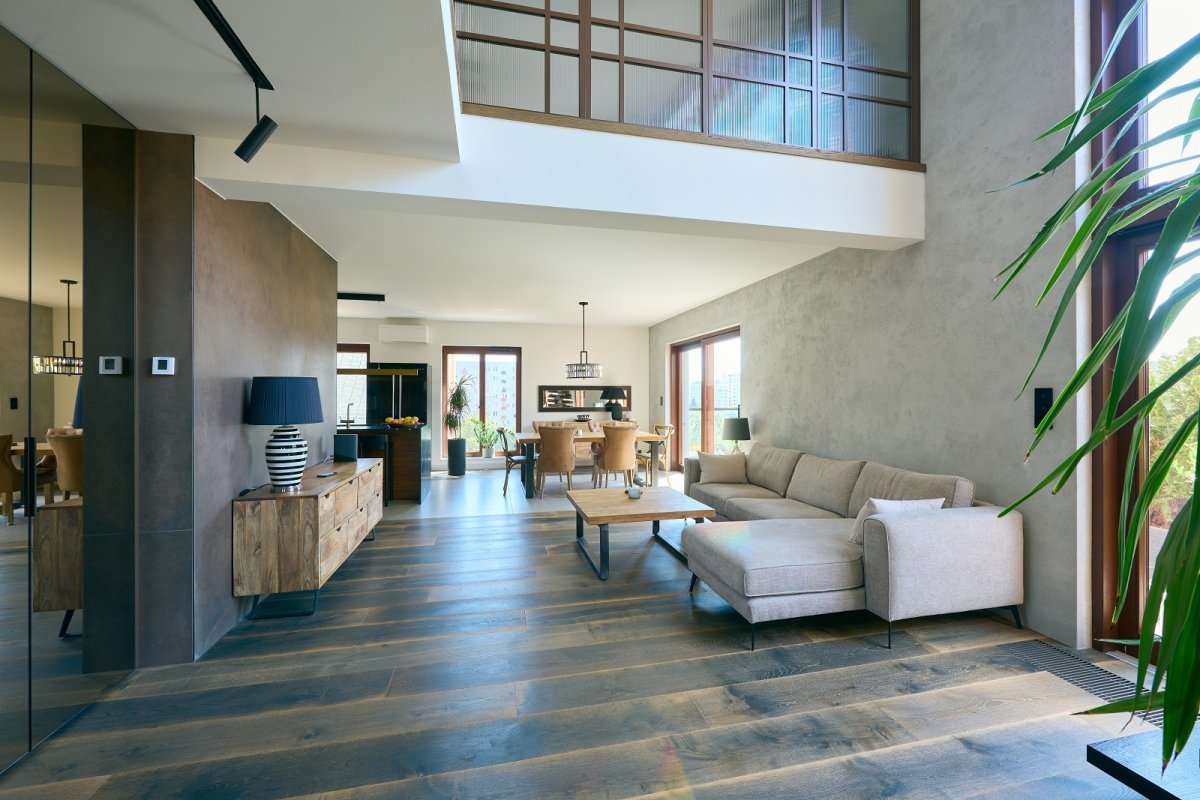
- Visual value over time: Wood ages beautifully, gaining nobility and depth. Gentle signs of use can add character to it, which cannot be said about worn-out vinyl.
Renovation possibilities and long lifespan
- Multiple refinishing: This is one of the biggest advantages of wood. A wooden floor (especially solid wood or a thicker wear layer in engineered wood flooring) can be sanded down and refinished multiple times. This way, the floor looks like new even after years, and its lifespan can be as long as several decades, and in some cases, even centuries.
- Longevity: With proper care, a wooden floor can last for generations, making it a long-term investment. Vinyl panels, while durable, have a limited lifespan and cannot be refinished in case of significant damage - they need to be replaced.
Property value
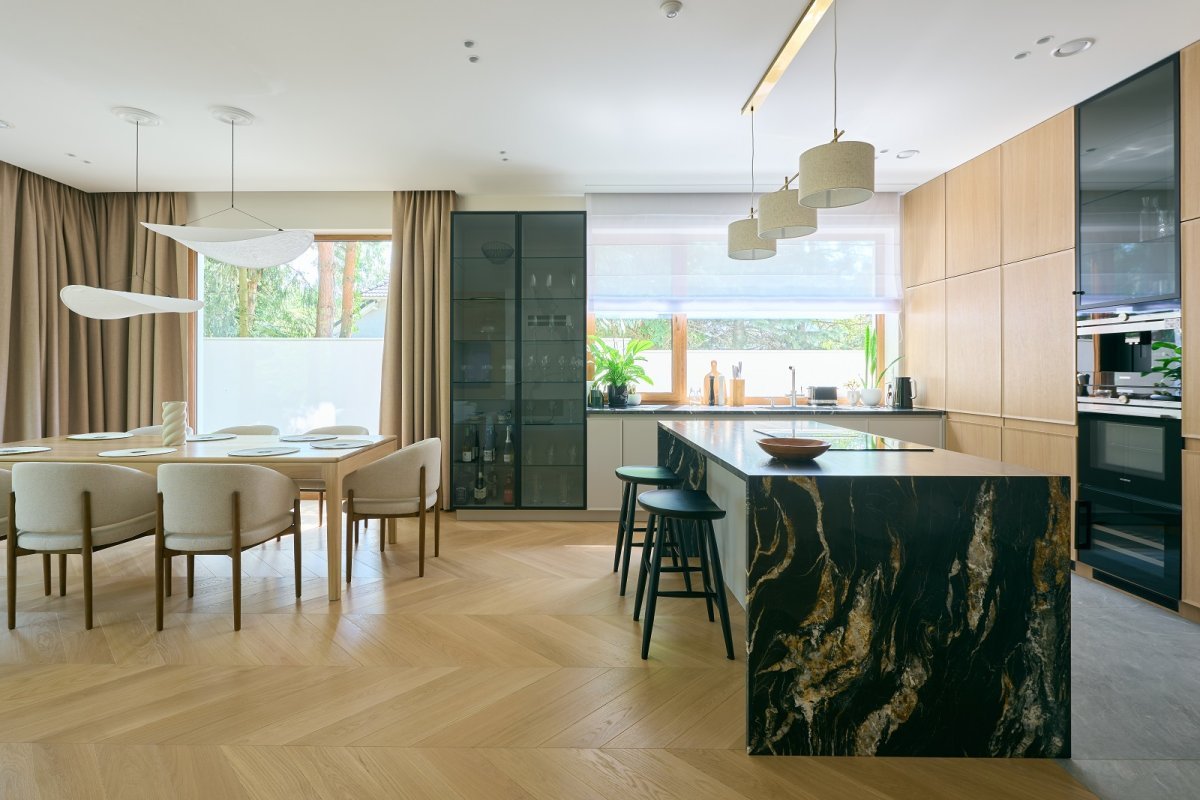
- Increasing home value: Wooden floors are seen as a luxurious finishing element and significantly increase the market value of a property. Buyers are often willing to pay more for a house with real wooden floors. Vinyl floors, while practical, usually do not impact the home's value to the same extent.
Comfort and usability properties
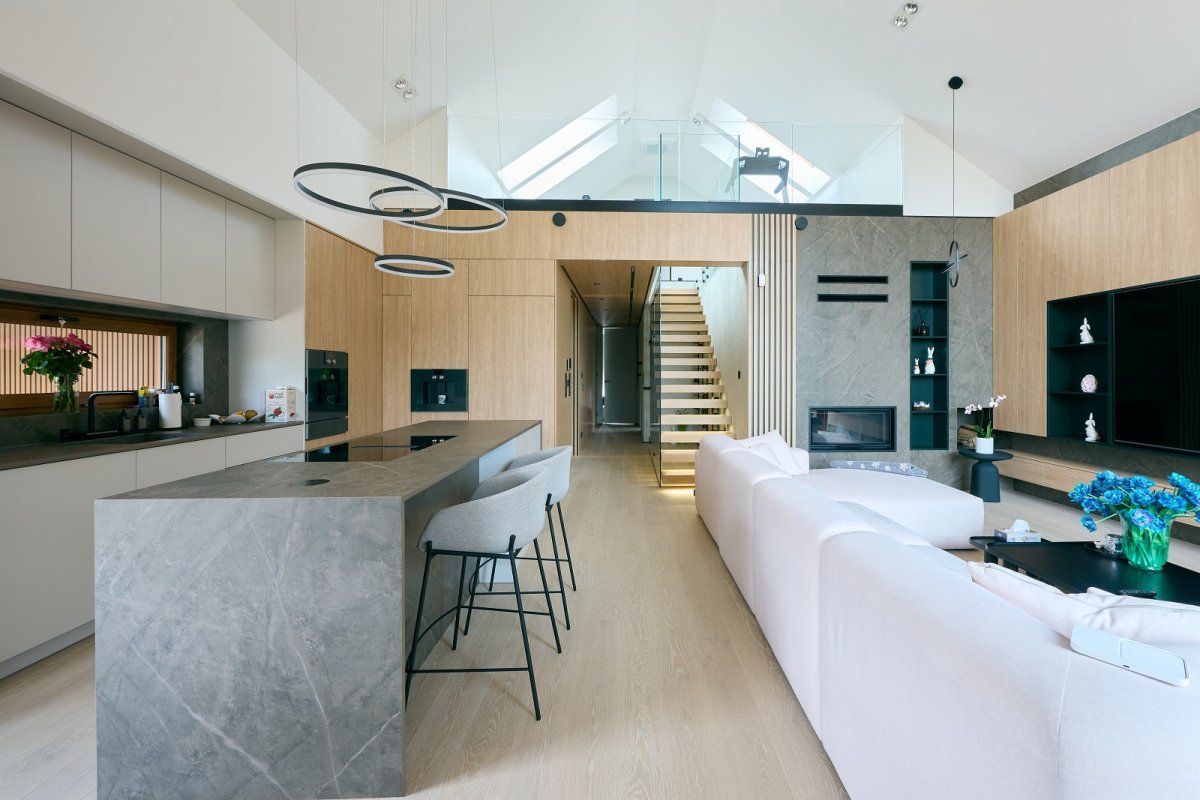
- Warmth and coziness: Wood is a natural insulator, making the floor warmer to the touch than most vinyl floors, increasing comfort, especially in colder months.
- Positive impact on the microclimate: Wood is hygroscopic - it absorbs and releases moisture from the air, helping to stabilize the room's humidity level. This can be beneficial for the health and well-being of residents, especially for allergy sufferers and asthmatics.
- Acoustic properties: Wood has natural sound-absorbing properties, which can contribute to better acoustics in a room by reducing echoes and noise.
Ecology and renewability
- Natural and renewable material: Wood is a natural and renewable resource, sourced from sustainably managed forests. It is fully biodegradable and can be recycled.
- No harmful substances: High-quality wooden floors, finished with natural oils or ecological varnishes, are free from harmful chemical substances (such as phthalates, which may still be present in some vinyl products, although many manufacturers are working on eliminating them).
The choice between wooden and vinyl flooring depends on priorities. If you value unique aesthetics, naturalness, long-term renovation possibilities, and property value, wooden flooring will be the stronger choice. If, on the other hand, lower cost, full waterproofing, and minimal maintenance are most important to you, vinyl flooring may prove to be more practical.