





















SANDING BOARDS
We offer a wide range of sanding boards in various colors and different types of wood, both domestic and exotic. Boards can be sanded multiple times every few years depending on wear and tear. After sanding, it is necessary to protect the boards with varnishes or oil waxes, depending on preferences.
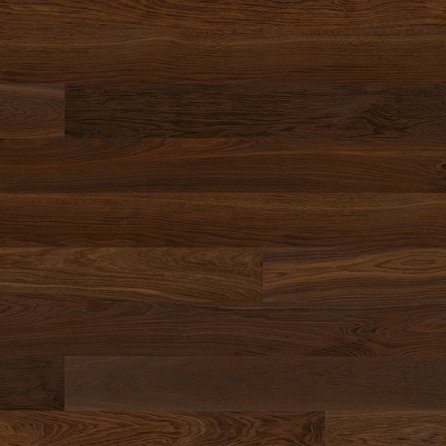
Wood is a natural product. Each tree has its own structure and unique combination of colors. A photo or sample will not fully depict the entire picture of the finished floor. It is also important to remember that the color may change under the influence of light. Classic floors, such as oak, will become slightly darker under the sun's rays. Darker wood species will become somewhat "paler". Knots are filled with putty. We reserve the right that small gaps may appear between the putty and the wood on the finished board.
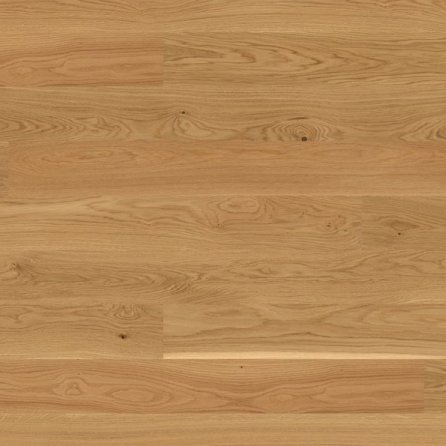
Wood is a natural product. Each tree has its own structure and individual combination of colors. A photo or sample will not fully reflect the complete picture of the finished floor. It should also be remembered that the color may change under the influence of light. Classic floors such as oak, for example, will become slightly darker under the influence of sunlight. Darker wood species will become somewhat "paler". Knots are filled with putty. We reserve the right that there may be small gaps between the putty and the wood on the finished board.
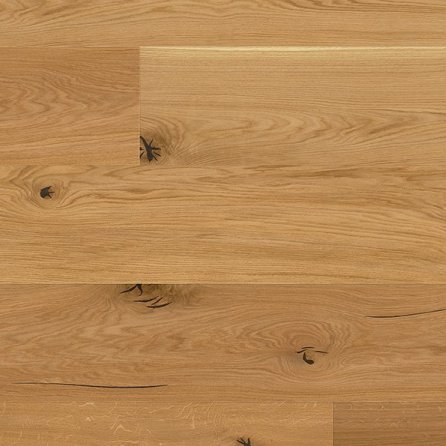
Wood is a natural product. Each tree has its own structure and individual combination of colors. A photo or sample will not fully reflect the complete picture of the finished floor. It should also be noted that color may change under the influence of light. Classic floors such as oak will become slightly darker under the influence of sunlight. Darker wood species will become slightly "paler". Knots are filled with putty. We reserve the right that small gaps may appear between the putty and the wood on the finished board.
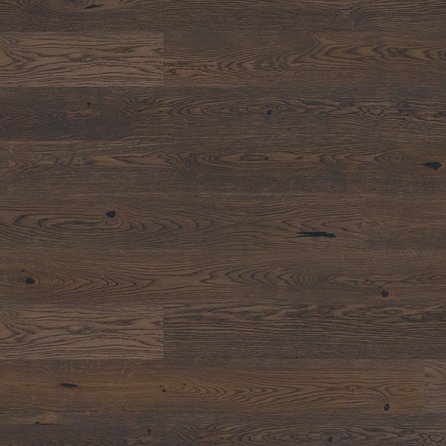
Wood is a natural product. Each tree has its own structure and individual combination of colors. A photo or sample will not fully reflect the complete image of the finished floor. It is also important to remember that the color may change under the influence of light. Classic floors such as oak will become slightly darker under the influence of sunlight. Darker wood species will become somewhat "paler." Knots are filled with putty. We reserve the right that small gaps may appear between the putty and the wood on the finished board.
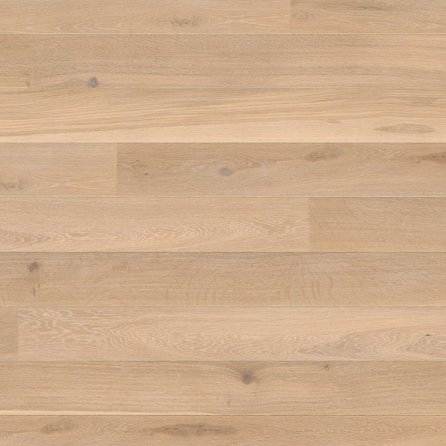
Wood is a natural product. Each tree has its own structure and unique combination of colors. A photo or sample will not fully reflect the complete image of the finished floor. It should also be noted that color may change under the influence of light. Classic floors such as oak will become slightly darker under the influence of sunlight. Darker wood species will become slightly "paler". Knot holes are filled with putty. We reserve the right that small gaps may appear between the putty and the wood on the finished board.
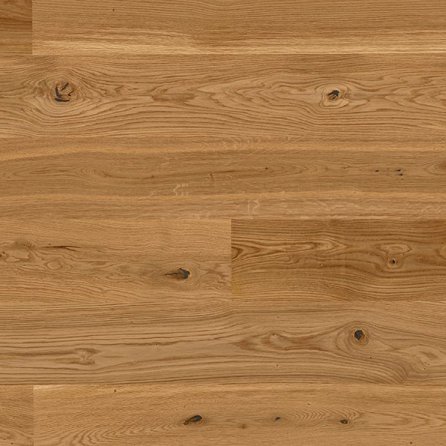
Wood is a natural product. Each tree has its own structure and unique combination of colors. A photo or sample will not fully reflect the complete image of the finished floor. It should also be noted that color may change under the influence of light. Classic floors such as oak, for example, will become slightly darker under the influence of sunlight. Darker wood species will become somewhat "paler." Knot holes are filled with putty. We reserve the right for small gaps to appear between the putty and the wood on the finished board.
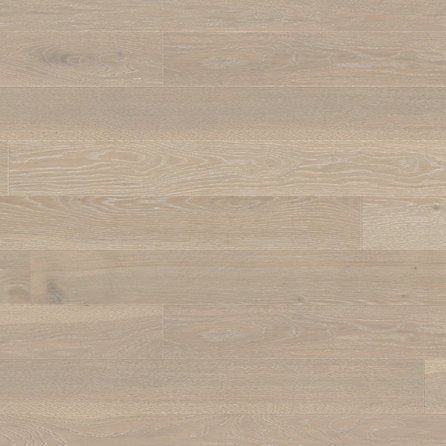
Wood is a natural product. Each tree has its own structure and individual color combination. A photo or sample will not fully reflect the complete picture of the finished floor. It should also be noted that color may change under the influence of light. Classic floors such as oak, for example, will become slightly darker under the influence of sunlight. Darker wood species will become slightly "paler". Knot holes are filled with putty. We reserve the right that small gaps may appear between the putty and the wood on the finished board.
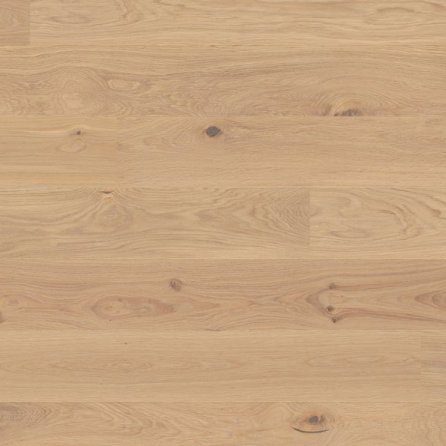
Wood is a natural product. Each tree has its own structure and individual combination of colors. A photo or sample will not fully reflect the complete picture of the finished floor. It should also be noted that color may change under the influence of light. Classic floors such as oak, for example, will become slightly darker due to the action of sunlight. Darker wood species will become somewhat 'paler.' Knot holes are filled with putty. We reserve the right that small gaps may appear between the putty and the wood on the finished board.
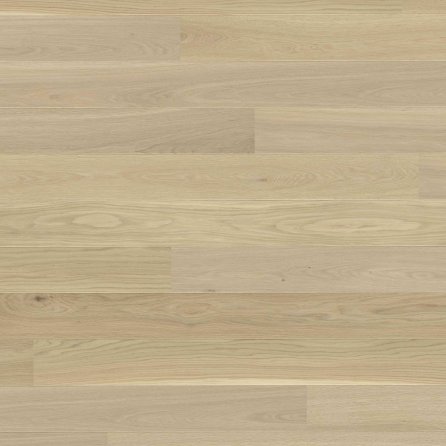
Wood is a natural product. Each tree has its own structure and unique combination of colors. A photo or sample will not fully reflect the complete image of the finished floor. It should also be noted that the color may change under the influence of light. Classic floors such as oak will become slightly darker under the influence of sunlight. Darker wood species will become slightly "paler". Knot holes are filled with putty. We reserve the right that small gaps may appear between the putty and the wood on the finished board.
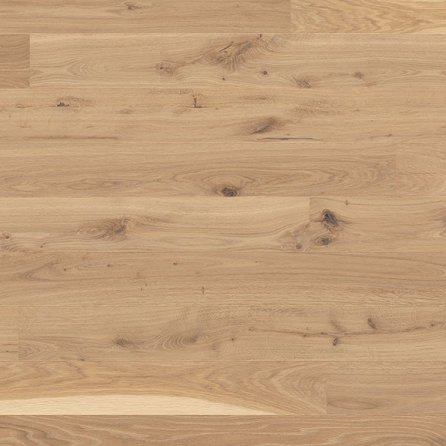
Wood is a natural product. Each tree has its own structure and individual combination of colors. A photo or sample will not fully reflect the complete picture of the finished floor. It should also be noted that color may change under the influence of light. Classic floors such as oak will become slightly darker under the influence of sunlight. Darker wood species will become slightly 'paler'. Knot holes are filled with putty. We reserve the right that small gaps may appear between the putty and the wood on the finished board.
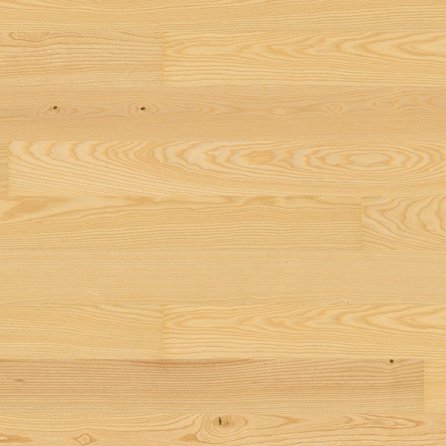
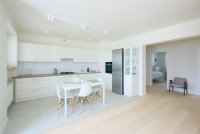
Wood is a natural product. Each tree has its own structure and individual combination of colors. A photo or sample will not fully reflect the complete picture of the finished floor. It should also be noted that color may change under the influence of light. Classic floors such as oak, for example, will become slightly darker under the influence of sunlight. Darker wood species will become slightly "paler." Knots are filled with putty. We reserve the right that small gaps may appear between the putty and the wood on the finished board.
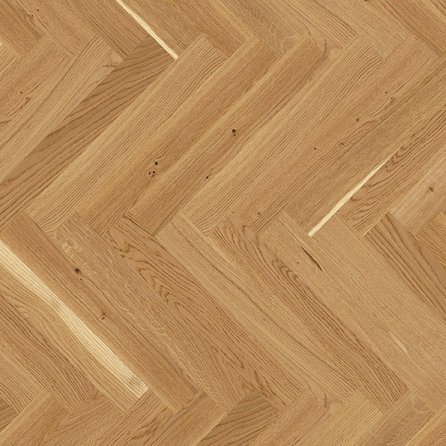
Wood is a natural product. Each tree has its own structure and unique combination of colors. A photo or sample will not fully reflect the complete picture of the finished floor. It should also be noted that color may change under the influence of light. Classic floors such as oak will become slightly darker when exposed to sunlight. Darker wood species will become somewhat "paler." Knot holes are filled with putty. We reserve the right that small gaps may appear between the putty and the wood on the finished board.
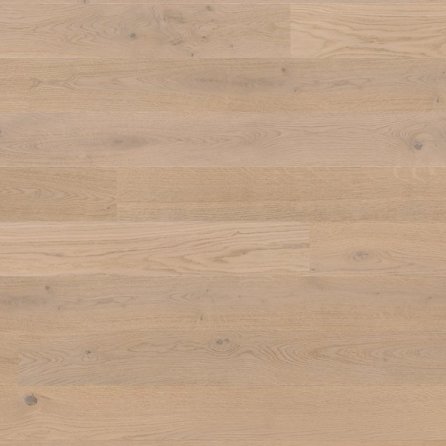
Wood is a natural product. Each tree has its own structure and unique combination of colors. A photo or sample will not fully reflect the complete picture of the finished floor. It should also be noted that color may change under the influence of light. Classic floors such as oak, for example, will become slightly darker due to exposure to sunlight. Darker wood species will become somewhat "paler". Knots are filled with putty. We reserve the right for small gaps to appear between the putty and the wood on the finished board.
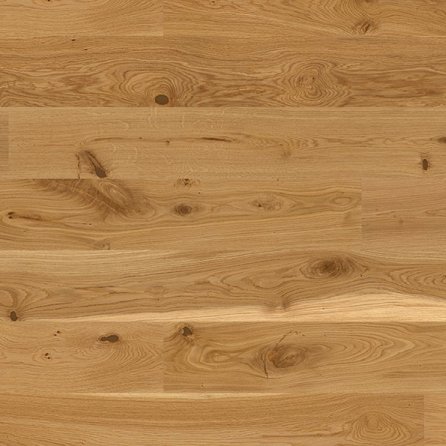
Wood is a natural product. Each tree has its own structure and individual combination of colors. A photo or sample will not fully reflect the complete picture of the finished floor. It should also be noted that color may change under the influence of light. Classic floors such as oak, for example, will become slightly darker under the influence of sunlight. Darker wood species will become somewhat "paler". Knot holes are filled with putty. Please note that small gaps may appear between the putty and the wood on the finished board.
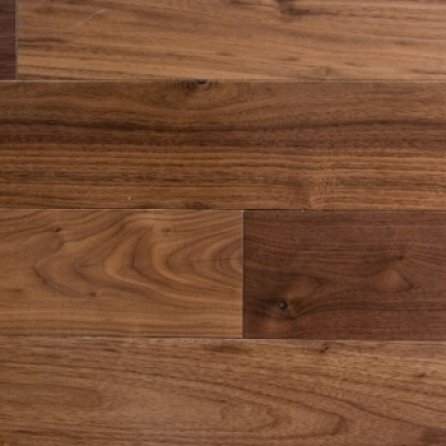
The American walnut is a decorative wood with a distinct, wavy grain pattern and layers of fibers. It is found in the western, central, and northeastern United States, as well as in Canada. It can grow up to 50 meters in height. Its leaves develop late in the spring. The wood exhibits a wide range of colors from creamy-brown to dark brown.
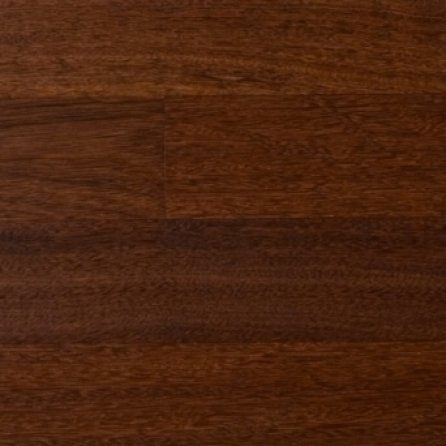
A South American wood species with a brown-coffee color. It is characterized by a uniform color, high hardness, and visible grain pattern. This is a popular exotic wood species that works well as a flooring material. Sucupira is distinguished by lighter specks on a dark background. It is an interesting alternative to thermally treated materials.
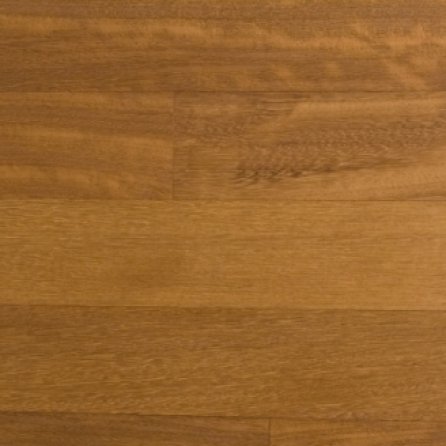
Iroko darkens under the influence of atmospheric factors, taking on a golden honey color. It is characterized by significant dimensional stability, which is particularly important for use on floors. Additional properties of Iroko make it suitable for use in contact with water. It will perform well in a bathroom or kitchen. Wood with excellent properties. Hard, stable, and moisture-resistant.
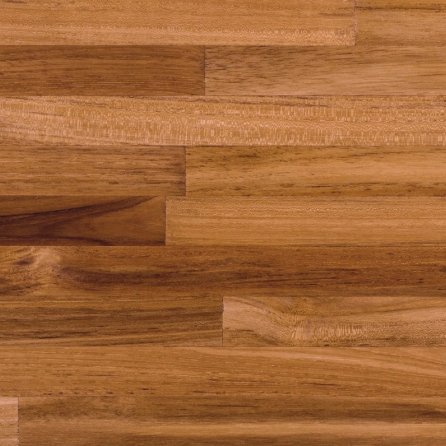
Teak, thanks to its structure and high content of natural oils and silica acid, is very dimensionally stable and has exceptional durability, especially in aquatic environments. It has long been used to manufacture ship and yacht components. Teak is also a type of wood that works perfectly in bathrooms and saunas.
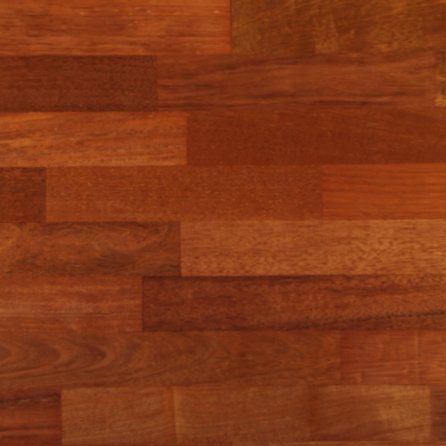
Merbau wood is characterized by the fact that some of its vessels are filled with yellow, shimmering dust, which, under transparent paint and varnish coatings, deceptively resembles intricately made, golden inlays in the form of small stripes. Merbau wood is enriched by nature with delicate gildings. At the same time, the dark surface color masks any dirt and scratches. A floor made of Merbau wood maintains its full aesthetic qualities for a longer time, is exceptionally dimensionally stable and hard, thus highly resistant to wear and indentation. The color range and mechanical properties of the material predispose it particularly well for the production of exclusive floors and parquets in representative premises, public buildings, and private homes. The deep brown color of the wood brightened with golden specks emphasizes the dignity of the place and blends perfectly with modern furnishings. The most popular and frequently purchased exotic wood.
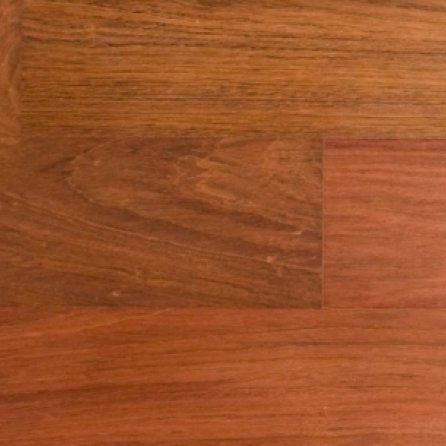
Jatoba wood, sometimes referred to as diamond cherry, originates from Central and South America. Compared to domestic cherry wood, it is indeed "diamond-hard". This material is very durable, with high natural resistance to adverse weather conditions. Due to its natural characteristics, Jatoba is suitable for use in residential, industrial, and outdoor spaces.
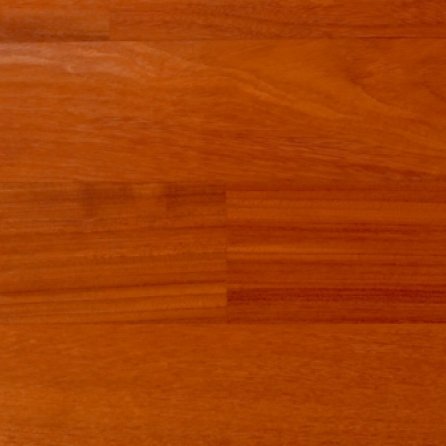
Doussie is a wood with a noble honey color. It is very hard and stable material. Due to its mechanical properties, it is excellent for use as a raw material for flooring production. Doussie is characterized by very high natural resistance, and low values of tangential and radial shrinkage indicate the wood's low tendency to warp and crack. This reduces the likelihood of the parquet floor drying out during humidity changes. The wood has a light orange color with a delicate grain pattern, typically with straight grain lines. It is perfect for modern spaces, adding charm and warmth to the living area.
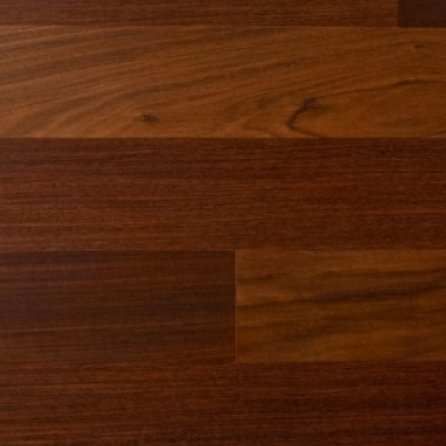
Wood with a natural, deep color ranging from olive-brown to black-brown, often also taking on a dark red hue, unseen in wood from temperate zones. The hardness and stability of this material are exceptionally high, which is especially valuable for flooring material. Lapacho shares the same hardness class as steel, making it ideal for high-traffic areas.
"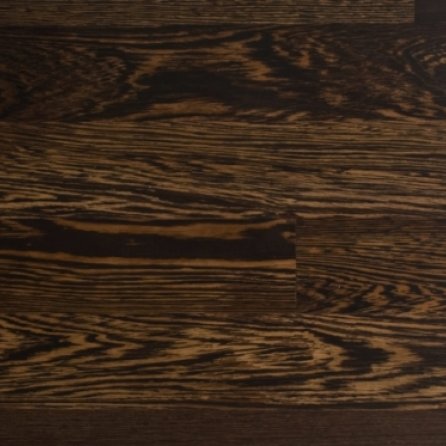
Wenge is a unique species of wood. Used for thousands of years by the indigenous people of the dark continent to create ceremonial masks and pagan deity figurines. Its intense dark brown color makes wenge a highly prized material. Perfect for making floors in heavily used areas, especially in public utility facilities. The high density of the wood makes it resistant to wear, and any dirt marks are not visible on the dark surface. Another advantage of this truly exotic wood is its high natural durability. It gives rooms an exclusive character.